Addisons disease doctor
Take control of your health—naturally.
Meet our practitioners who specialize in natural Addison’s disease treatment
Recommended health tests for Addison’s disease

At-Home Lab Test
Collect your sample and do your consultations at home, on you own time, and receive your secure result in just days on any device
At-Home Lab Test
Collect your sample and do your consultations at home, on you own time, and receive your secure result in just days on any device
At-Home Lab Test
Collect your sample and do your consultations at home, on you own time, and receive your secure result in just days on any device
At-Home Lab Test
Collect your sample and do your consultations at home, on you own time, and receive your secure result in just days on any device
At-Home Lab Test
Collect your sample and do your consultations at home, on you own time, and receive your secure result in just days on any device
At-Home Lab Test
Collect your sample and do your consultations at home, on you own time, and receive your secure result in just days on any device
At-Home Lab Test
Collect your sample and do your consultations at home, on you own time, and receive your secure result in just days on any device
At-Home Lab Test
Collect your sample and do your consultations at home, on you own time, and receive your secure result in just days on any device
At-Home Lab Test
Collect your sample and do your consultations at home, on you own time, and receive your secure result in just days on any device
At-Home Lab Test
Collect your sample and do your consultations at home, on you own time, and receive your secure result in just days on any device
At-Home Lab Test
Collect your sample and do your consultations at home, on you own time, and receive your secure result in just days on any device
At-Home Lab Test
Collect your sample and do your consultations at home, on you own time, and receive your secure result in just days on any device
At-Home Lab Test
Collect your sample and do your consultations at home, on you own time, and receive your secure result in just days on any device
At-Home Lab Test
Collect your sample and do your consultations at home, on you own time, and receive your secure result in just days on any device
At-Home Lab Test
Collect your sample and do your consultations at home, on you own time, and receive your secure result in just days on any device
At-Home Lab Test
Collect your sample and do your consultations at home, on you own time, and receive your secure result in just days on any device
At-Home Lab Test
Collect your sample and do your consultations at home, on you own time, and receive your secure result in just days on any device
At-Home Lab Test
Collect your sample and do your consultations at home, on you own time, and receive your secure result in just days on any device
At-Home Lab Test
Collect your sample and do your consultations at home, on you own time, and receive your secure result in just days on any device
At-Home Lab Test
Collect your sample and do your consultations at home, on you own time, and receive your secure result in just days on any device
At-Home Lab Test
Collect your sample and do your consultations at home, on you own time, and receive your secure result in just days on any device
At-Home Lab Test
Collect your sample and do your consultations at home, on you own time, and receive your secure result in just days on any device
At-Home Lab Test
Collect your sample and do your consultations at home, on you own time, and receive your secure result in just days on any device
At-Home Lab Test
Collect your sample and do your consultations at home, on you own time, and receive your secure result in just days on any device
At-Home Lab Test
Collect your sample and do your consultations at home, on you own time, and receive your secure result in just days on any device
At-Home Lab Test
Collect your sample and do your consultations at home, on you own time, and receive your secure result in just days on any device
At-Home Lab Test
Collect your sample and do your consultations at home, on you own time, and receive your secure result in just days on any device
At-Home Lab Test
Collect your sample and do your consultations at home, on you own time, and receive your secure result in just days on any device
At-Home Lab Test
Collect your sample and do your consultations at home, on you own time, and receive your secure result in just days on any device
At-Home Lab Test
Collect your sample and do your consultations at home, on you own time, and receive your secure result in just days on any device
At-Home Lab Test
Collect your sample and do your consultations at home, on you own time, and receive your secure result in just days on any device
At-Home Lab Test
Collect your sample and do your consultations at home, on you own time, and receive your secure result in just days on any device
At-Home Lab Test
Collect your sample and do your consultations at home, on you own time, and receive your secure result in just days on any device
At-Home Lab Test
Collect your sample and do your consultations at home, on you own time, and receive your secure result in just days on any device
How it works
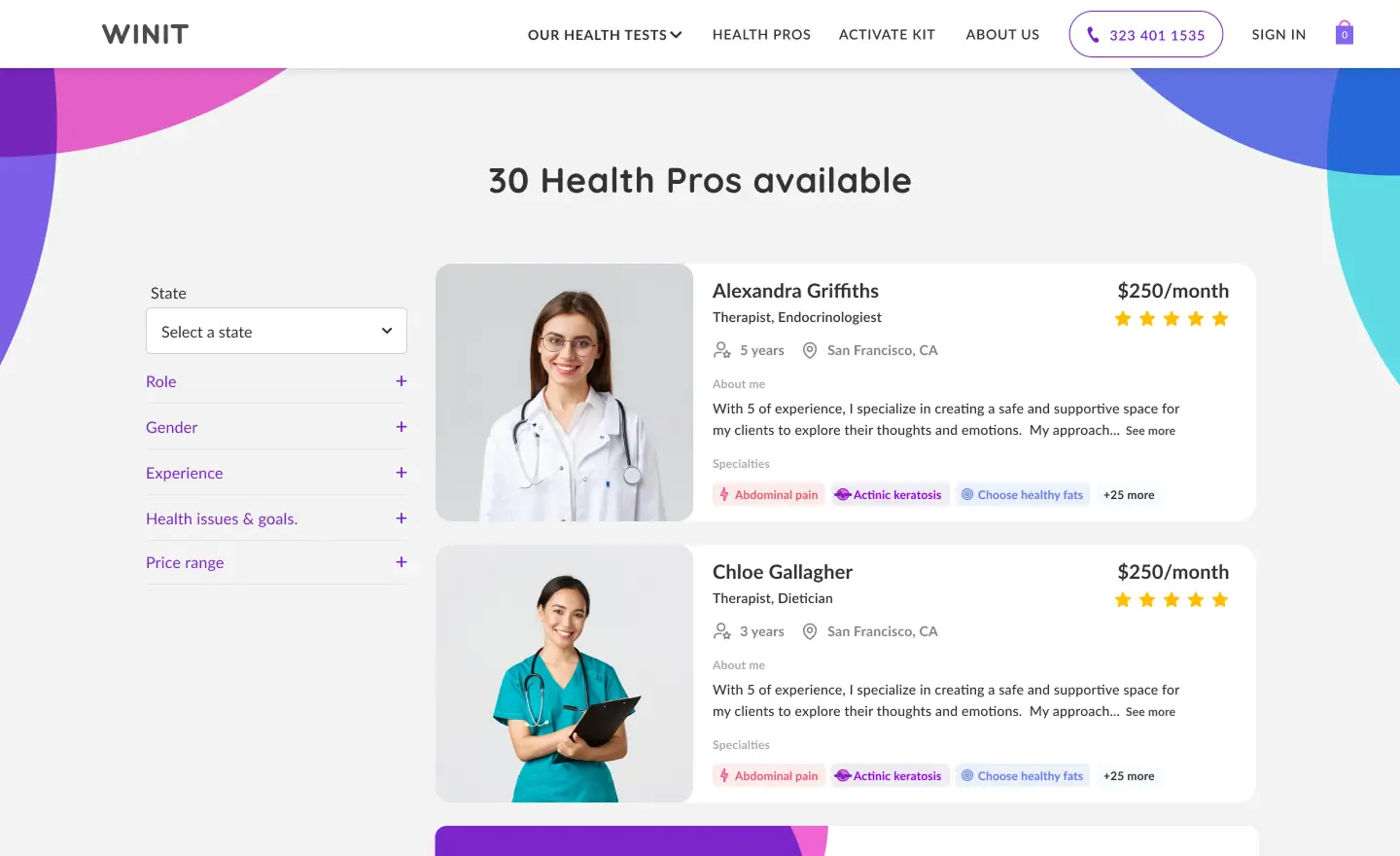
Find a Practitioner
Browse practitioners and explore their specialties, experience, and approach.
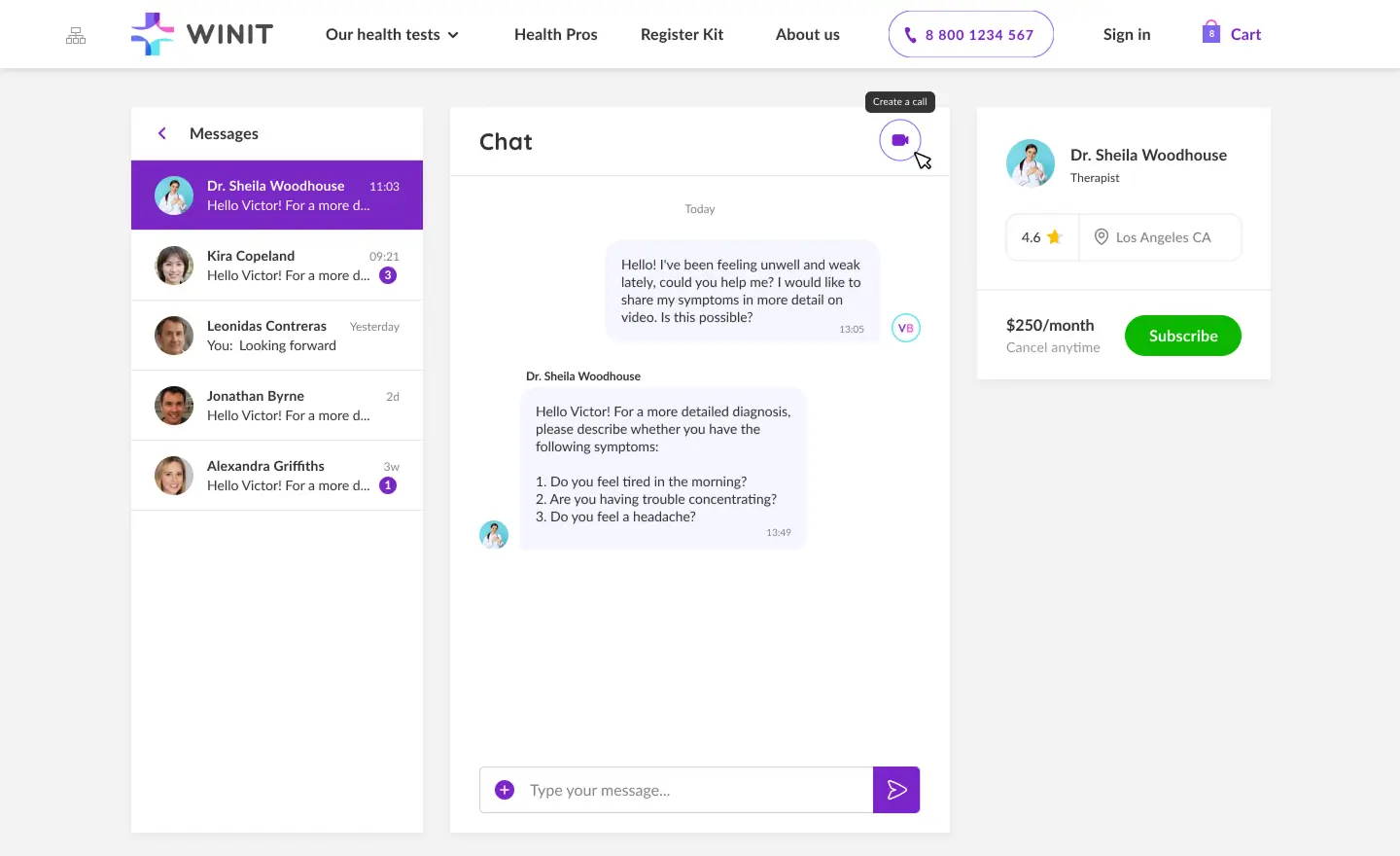
Chat
Chat directly with practitioners to discuss your symptoms, goals, and whether it’s the right fit.
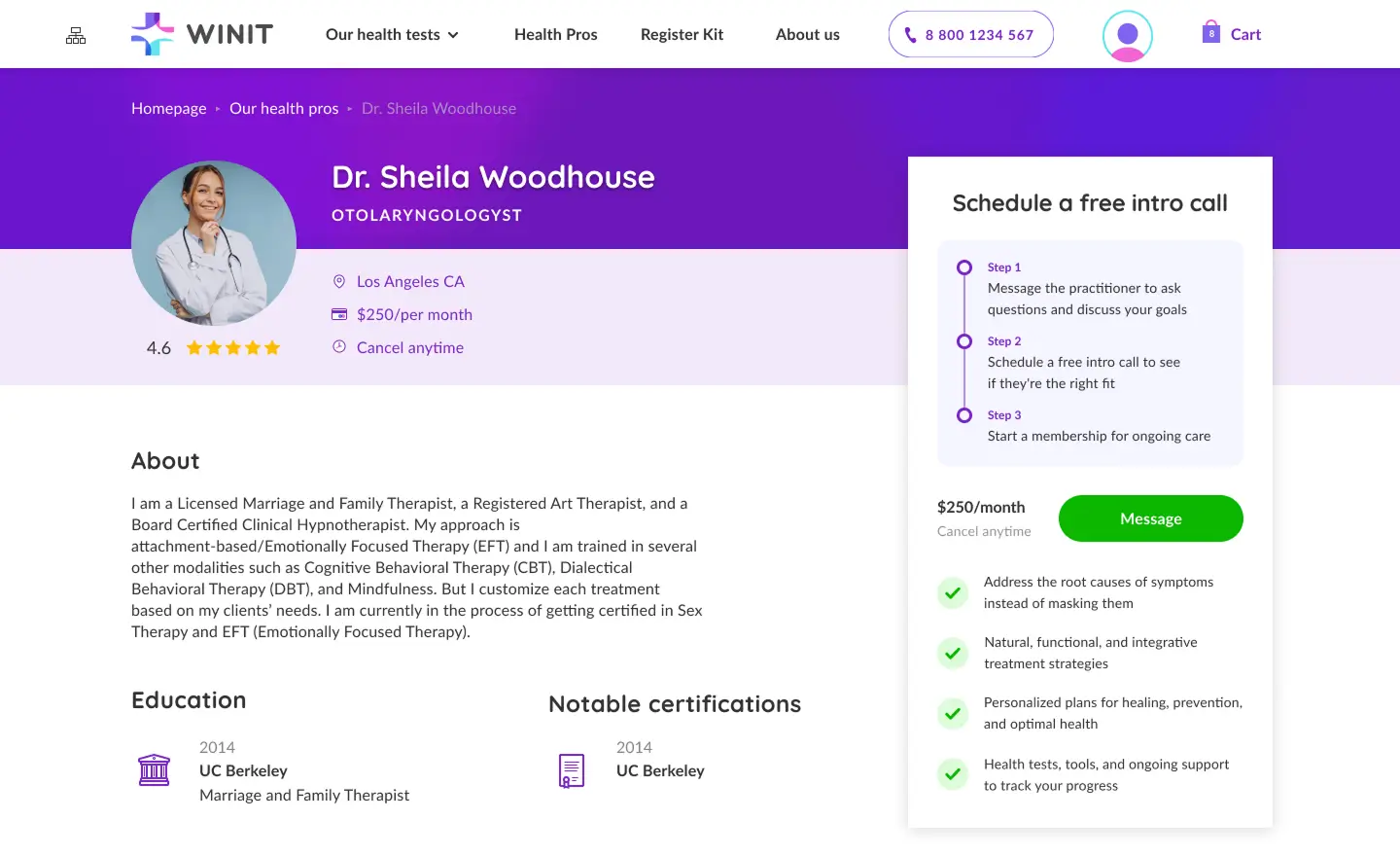
Book a Consultation
Book a consultation with your practitioner of choice and start uncovering the root causes of your symptoms.
Learn about Addison’s disease
Addison’s disease, also known as primary adrenal insufficiency, is a rare but serious condition that occurs when the adrenal glands do not produce enough of certain hormones. These hormones—cortisol and aldosterone—are vital for maintaining blood pressure, heart function, and the body's ability to respond to stress. The prevalence of Addison's disease is relatively low, affecting about 1 in 100,000 people. However, understanding and managing this condition is crucial to improving life quality for those affected.
Causes
The primary cause of Addison's disease is an autoimmune response, where the body's immune system mistakenly attacks the adrenal glands, reducing hormone production. Other causes can include infections, such as tuberculosis, or diseases that infiltrate the adrenal glands. Long-term use of corticosteroids, a common treatment for various conditions, can also lead to Addison’s disease when not properly tapered down.

Signs and symptoms
- Extreme fatigue - Weight loss and decreased appetite - Darkening of the skin (hyperpigmentation) - Low blood pressure, fainting - Salt craving - Low blood sugar (hypoglycemia) - Nausea, diarrhea, or vomiting - Muscle or joint pains - Irritability - Depression
Diagnosing Addison’s disease
Diagnosing Addison’s disease involves a combination of blood tests and imaging studies. Blood tests can reveal low levels of cortisol or aldosterone and high levels of adrenocorticotropic hormone (ACTH), suggesting adrenal insufficiency. An ACTH stimulation test may also be utilized, where synthetic ACTH is injected and cortisol levels are measured afterwards. Imaging tests like CT scans or MRIs can assess the size and shape of the adrenal glands, helping to identify any abnormalities.

Prevention and natural treatment
While Addison’s disease cannot be prevented due to its autoimmune nature, early detection and treatment can prevent serious complications. Treatment typically involves hormone replacement therapy to substitute the hormones that the adrenal glands are not producing. In addition to medical treatment, adopting a functional medicine approach can be beneficial. This includes nutritional support tailored to manage symptoms and improve adrenal function. For instance, a diet rich in vitamin C, B vitamins, and magnesium is recommended, as these nutrients support adrenal health. Adequate salt intake is particularly important for those with aldosterone deficiency. Stress management is also a crucial component of treating Addison’s disease naturally. Techniques such as yoga, meditation, and mindfulness can help manage stress, which in turn supports adrenal function. Regular, moderate exercise is encouraged to strengthen the body's response to stress and improve overall health without overtaxing the adrenal glands. Lastly, it is essential for patients to wear medical identification and to have an emergency glucocorticoid injection kit available for instances of adrenal crisis, a severe complication of Addison’s disease. Natural treatments and lifestyle modifications should always complement, not replace, the medical treatments prescribed by healthcare professionals.


Browse popular locations
 Atlanta, GA
- Houston, TX
- Chicago, IL
- Los Angeles, CA
- Miami, FL
- Austin, TX
- Dallas, TX
- New York, NY
- Seattle, WA
- Charlotte, NC
- Denver, CO
- Maryland, NY




Connect with an expert for Addison’s disease
Book consult