Autism treatment near me
Take control of your health—naturally.
Meet our practitioners who specialize in natural Autistic spectrum disorder (ASD) treatment


Recommended health tests for Autistic spectrum disorder (ASD)

At-Home Lab Test
Collect your sample and do your consultations at home, on you own time, and receive your secure result in just days on any device
At-Home Lab Test
Collect your sample and do your consultations at home, on you own time, and receive your secure result in just days on any device
At-Home Lab Test
Collect your sample and do your consultations at home, on you own time, and receive your secure result in just days on any device
At-Home Lab Test
Collect your sample and do your consultations at home, on you own time, and receive your secure result in just days on any device
At-Home Lab Test
Collect your sample and do your consultations at home, on you own time, and receive your secure result in just days on any device
At-Home Lab Test
Collect your sample and do your consultations at home, on you own time, and receive your secure result in just days on any device
At-Home Lab Test
Collect your sample and do your consultations at home, on you own time, and receive your secure result in just days on any device
At-Home Lab Test
Collect your sample and do your consultations at home, on you own time, and receive your secure result in just days on any device
At-Home Lab Test
Collect your sample and do your consultations at home, on you own time, and receive your secure result in just days on any device
At-Home Lab Test
Collect your sample and do your consultations at home, on you own time, and receive your secure result in just days on any device
At-Home Lab Test
Collect your sample and do your consultations at home, on you own time, and receive your secure result in just days on any device
At-Home Lab Test
Collect your sample and do your consultations at home, on you own time, and receive your secure result in just days on any device
At-Home Lab Test
Collect your sample and do your consultations at home, on you own time, and receive your secure result in just days on any device
At-Home Lab Test
Collect your sample and do your consultations at home, on you own time, and receive your secure result in just days on any device
At-Home Lab Test
Collect your sample and do your consultations at home, on you own time, and receive your secure result in just days on any device
At-Home Lab Test
Collect your sample and do your consultations at home, on you own time, and receive your secure result in just days on any device
At-Home Lab Test
Collect your sample and do your consultations at home, on you own time, and receive your secure result in just days on any device
At-Home Lab Test
Collect your sample and do your consultations at home, on you own time, and receive your secure result in just days on any device
At-Home Lab Test
Collect your sample and do your consultations at home, on you own time, and receive your secure result in just days on any device
At-Home Lab Test
Collect your sample and do your consultations at home, on you own time, and receive your secure result in just days on any device
At-Home Lab Test
Collect your sample and do your consultations at home, on you own time, and receive your secure result in just days on any device
At-Home Lab Test
Collect your sample and do your consultations at home, on you own time, and receive your secure result in just days on any device
How it works
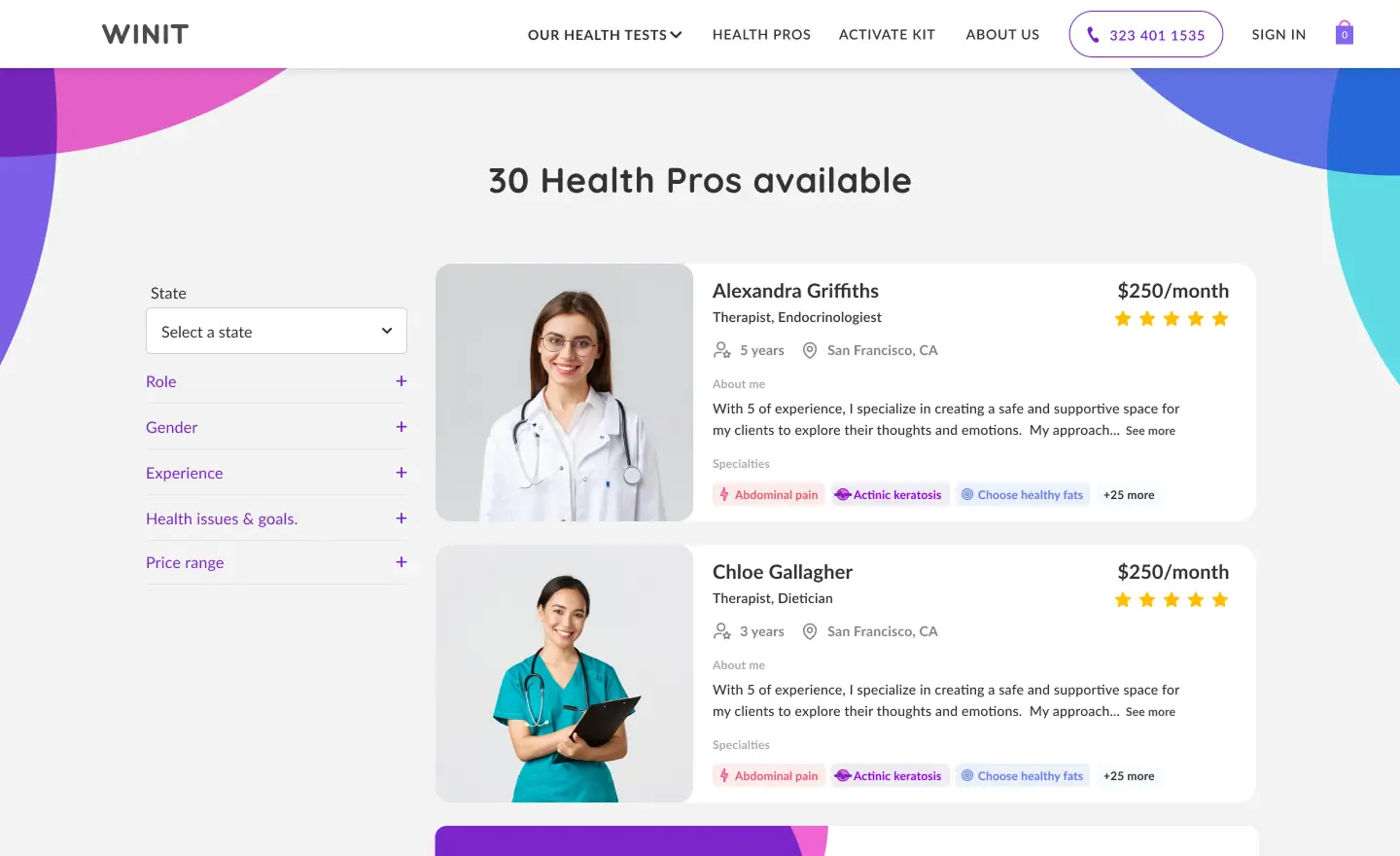
Find a Practitioner
Browse practitioners and explore their specialties, experience, and approach.
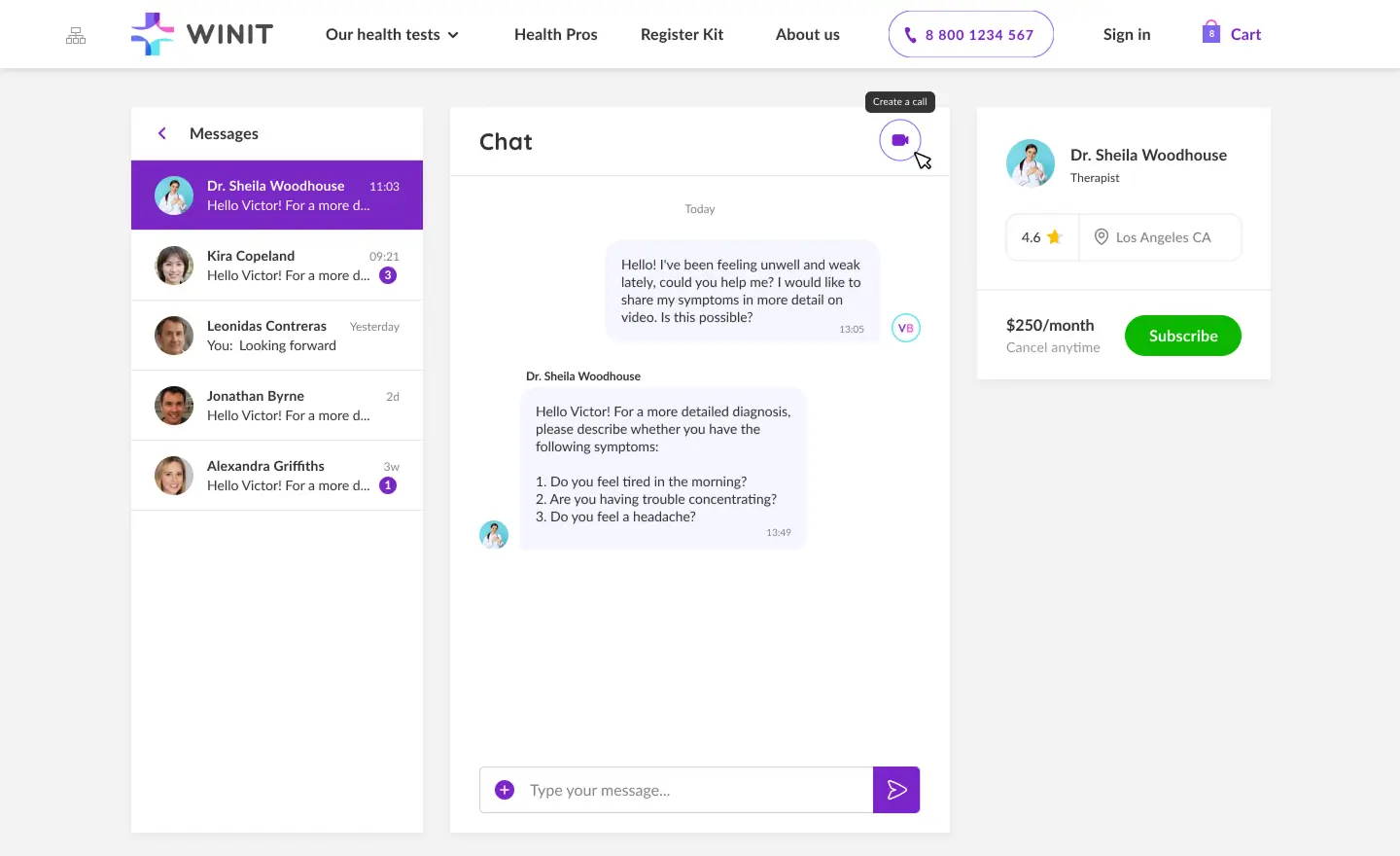
Chat
Chat directly with practitioners to discuss your symptoms, goals, and whether it’s the right fit.
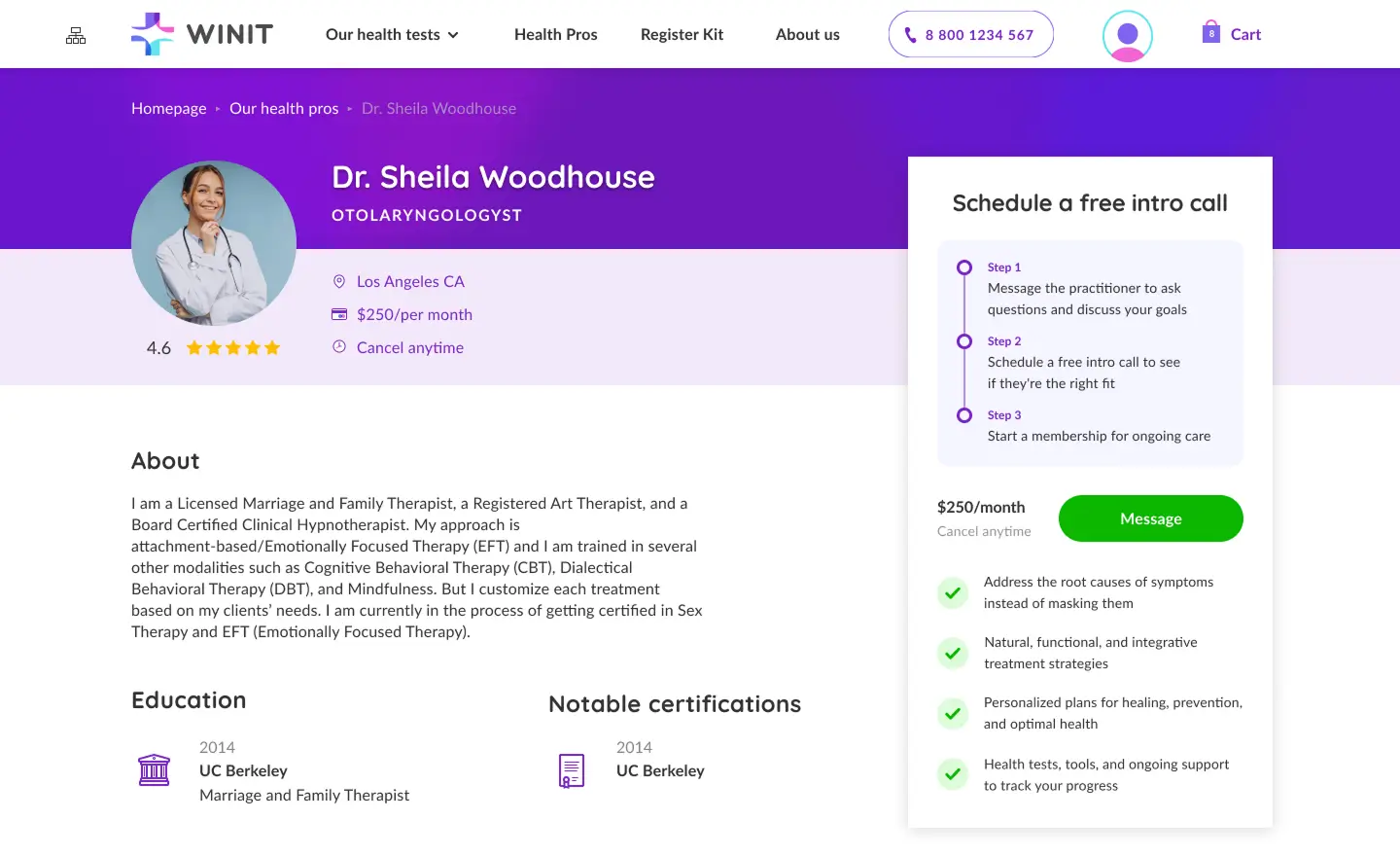
Book a Consultation
Book a consultation with your practitioner of choice and start uncovering the root causes of your symptoms.
Learn about Autistic spectrum disorder (ASD)
Autism Spectrum Disorder (ASD) is a complex neurodevelopmental disorder that affects social interaction, communication, and behavior. Its impact ranges from mild challenges to severe impairments. According to the Centers for Disease Control and Prevention (CDC), 1 in 44 children in the United States is diagnosed with ASD, indicating its significant prevalence.
Causes
The exact cause of ASD remains unknown, but it is believed to be a combination of genetic and environmental factors. Genetic predisposition can play a significant role, with certain genetic mutations increasing the risk of ASD. Environmental factors might include complications during pregnancy, very low birth weight, and exposure to harmful substances or infections during pregnancy. It's also observed that the risk increases with the age of the parents at the time of conception.

Signs and symptoms
- Difficulty in maintaining eye contact - Repetitive behaviors or speech patterns - Challenges with social interactions - Intense interest in specific topics - Sensitivity to sensory input (e.g., light, sound, touch) - Difficulty adapting to changes in routine or environment - Delayed language development and communication skills
Diagnosing Autistic spectrum disorder (ASD)
Diagnosing ASD typically involves a thorough evaluation by a team of specialists, which may include a pediatrician, a psychologist, a neurologist, and a speech therapist. The assessment involves observing the child's behavior, developmental assessments, parental interviews, and possibly genetic testing. Early diagnosis is crucial for managing ASD effectively, as it can lead to early intervention services which significantly improve outcomes.
Prevention and natural treatment
While there is no known way to prevent ASD, genetic counseling can offer some insights for families with a history of autism. Treatment for ASD often involves a combination of therapies tailored to the individual's needs. In functional medicine, a holistic approach is emphasized, focusing on diet, lifestyle, and environmental factors alongside conventional therapies. Dietary strategies can include eliminating potential allergens or irritants such as gluten, casein (a protein found in dairy), and artificial additives, as some children with ASD may have sensitivities that exacerbate symptoms. Nutritional supplementation, such as omega-3 fatty acids, probiotics, and vitamins, can also support brain health and overall wellbeing. Behavioral therapies, speech therapy, and occupational therapy are fundamental in treating ASD, aiming to improve social skills, language, and day-to-day functioning. Additionally, incorporating regular physical activity and structured routines can significantly benefit individuals with ASD. Natural treatment options also often explore stress reduction techniques, such as mindfulness, yoga, or other calming activities, to help manage sensory overstimulation common in individuals with ASD. Adopting a functional medicine approach to treating ASD requires a multidisciplinary effort and is highly individualized. It emphasizes improving quality of life and maximizing the individual's potential through natural and holistic means, complementing traditional treatments and therapies.


Browse popular locations
 Atlanta, GA
- Houston, TX
- Chicago, IL
- Los Angeles, CA
- Miami, FL
- Austin, TX
- Dallas, TX
- New York, NY
- Seattle, WA
- Charlotte, NC
- Denver, CO
- Maryland, NY




Connect with an expert for Autistic spectrum disorder (ASD)
Book consult