Bladder cancer doctors
Take control of your health—naturally.
Meet our practitioners who specialize in natural Bladder cancer treatment
Recommended health tests for Bladder cancer

At-Home Lab Test
Collect your sample and do your consultations at home, on you own time, and receive your secure result in just days on any device
At-Home Lab Test
Collect your sample and do your consultations at home, on you own time, and receive your secure result in just days on any device
At-Home Lab Test
Collect your sample and do your consultations at home, on you own time, and receive your secure result in just days on any device
At-Home Lab Test
Collect your sample and do your consultations at home, on you own time, and receive your secure result in just days on any device
At-Home Lab Test
Collect your sample and do your consultations at home, on you own time, and receive your secure result in just days on any device
At-Home Lab Test
Collect your sample and do your consultations at home, on you own time, and receive your secure result in just days on any device
At-Home Lab Test
Collect your sample and do your consultations at home, on you own time, and receive your secure result in just days on any device
At-Home Lab Test
Collect your sample and do your consultations at home, on you own time, and receive your secure result in just days on any device
At-Home Lab Test
Collect your sample and do your consultations at home, on you own time, and receive your secure result in just days on any device
At-Home Lab Test
Collect your sample and do your consultations at home, on you own time, and receive your secure result in just days on any device
At-Home Lab Test
Collect your sample and do your consultations at home, on you own time, and receive your secure result in just days on any device
How it works

Find a Practitioner
Browse practitioners and explore their specialties, experience, and approach.
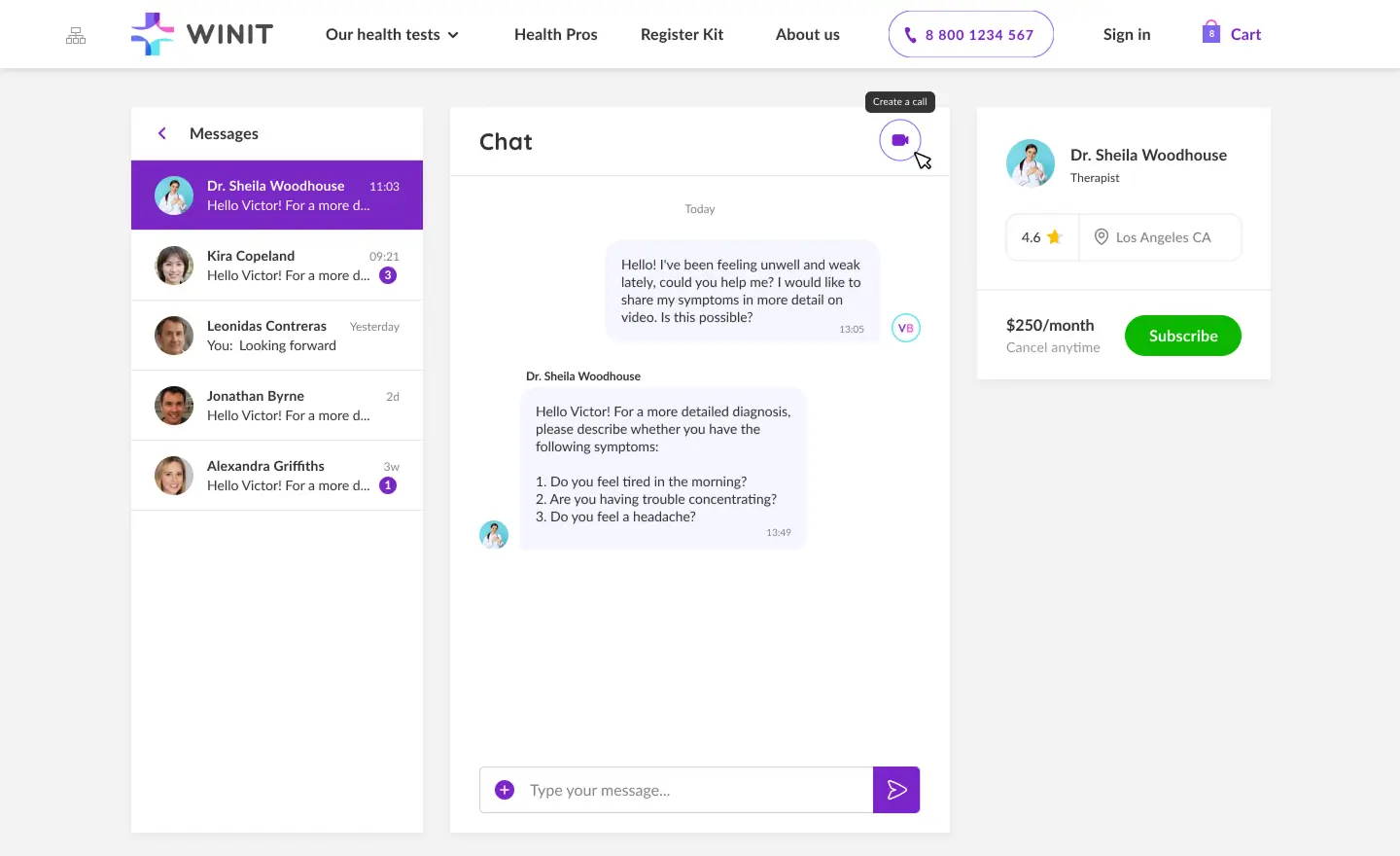
Chat
Chat directly with practitioners to discuss your symptoms, goals, and whether it’s the right fit.

Book a Consultation
Book a consultation with your practitioner of choice and start uncovering the root causes of your symptoms.
Learn about Bladder cancer
Bladder cancer is a potentially deadly disease that affects the bladder, an organ in the pelvic area that stores urine. It is among the top ten most common cancers worldwide, with a higher prevalence among older adults. Though it presents a significant health challenge, understanding bladder cancer and exploring natural treatment options can offer hope and proactive avenues for those affected.
Causes
Bladder cancer originates when bladder cells undergo mutations in their DNA. These mutations cause the cells to grow uncontrollably, eventually forming a tumor. Several factors contribute to the development of bladder cancer, including smoking, exposure to certain chemicals used in the textile, paint, and rubber industries, chronic bladder inflammation, and previous cancer treatment. Despite clear associations, not all causes are well-understood, suggesting that lifestyle, environmental factors, and genetic predisposition play roles in bladder cancer development.

Signs and symptoms
- Blood in urine (hematuria), which may or may not be visible to the naked eye - Frequent urination - Painful urination - Back or pelvic pain - Urgent need to urinate It's crucial for individuals experiencing these symptoms to consult a healthcare provider, as early detection significantly improves treatment outcomes.
Diagnosing Bladder cancer
Diagnosing bladder cancer typically involves several steps. Initially, a healthcare professional will perform a physical examination and gather a complete medical history. Diagnostic tests may include urine tests to detect blood or cancerous cells, cystoscopy to examine the bladder's interior with a camera, and imaging tests like CT scans. A biopsy, where a sample of bladder tissue is removed for testing, is often done during cystoscopy to confirm the presence of cancer.


Prevention and natural treatment
Preventing bladder cancer involves reducing risk factors one can control, such as not smoking, minimizing exposure to certain chemicals by following safety instructions, and drinking plenty of fluids. For natural treatment and management of bladder cancer, functional medicine focuses on a holistic approach, emphasizing diet, lifestyle modifications, and natural supplements. Nutritional strategies may involve consuming a diet rich in fruits, vegetables, and whole grains to provide antioxidants that combat cancer by reducing inflammation and oxidative stress. Additionally, research suggests that green tea and turmeric may have anti-cancer properties beneficial for bladder cancer patients. Lifestyle changes include regular physical activity, maintaining a healthy weight, and managing stress through mind-body practices like meditation, yoga, or tai chi. While these practices cannot replace conventional treatments like surgery, chemotherapy, or radiation therapy, they can complement them and aid in reducing side effects and improving overall well-being. Incorporating natural treatments into a comprehensive care plan should always be done under the guidance of healthcare professionals, including oncologists and practitioners specializing in functional medicine. This ensures that the approach is personalized, safe, and effective, offering the best chance for managing bladder cancer holistically.


Browse popular locations
 Atlanta, GA
- Houston, TX
- Chicago, IL
- Los Angeles, CA
- Miami, FL
- Austin, TX
- Dallas, TX
- New York, NY
- Seattle, WA
- Charlotte, NC
- Denver, CO
- Maryland, NY




Connect with an expert for Bladder cancer
Book consult