Constipation treatment
Take control of your health—naturally.



Recommended health tests for Constipation

At-Home Lab Test
Collect your sample and do your consultations at home, on you own time, and receive your secure result in just days on any device
At-Home Lab Test
Collect your sample and do your consultations at home, on you own time, and receive your secure result in just days on any device
At-Home Lab Test
Collect your sample and do your consultations at home, on you own time, and receive your secure result in just days on any device
At-Home Lab Test
Collect your sample and do your consultations at home, on you own time, and receive your secure result in just days on any device
At-Home Lab Test
Collect your sample and do your consultations at home, on you own time, and receive your secure result in just days on any device
At-Home Lab Test
Collect your sample and do your consultations at home, on you own time, and receive your secure result in just days on any device
At-Home Lab Test
Collect your sample and do your consultations at home, on you own time, and receive your secure result in just days on any device
At-Home Lab Test
Collect your sample and do your consultations at home, on you own time, and receive your secure result in just days on any device
At-Home Lab Test
Collect your sample and do your consultations at home, on you own time, and receive your secure result in just days on any device
At-Home Lab Test
Collect your sample and do your consultations at home, on you own time, and receive your secure result in just days on any device
How it works

Find a Practitioner
Browse practitioners and explore their specialties, experience, and approach.
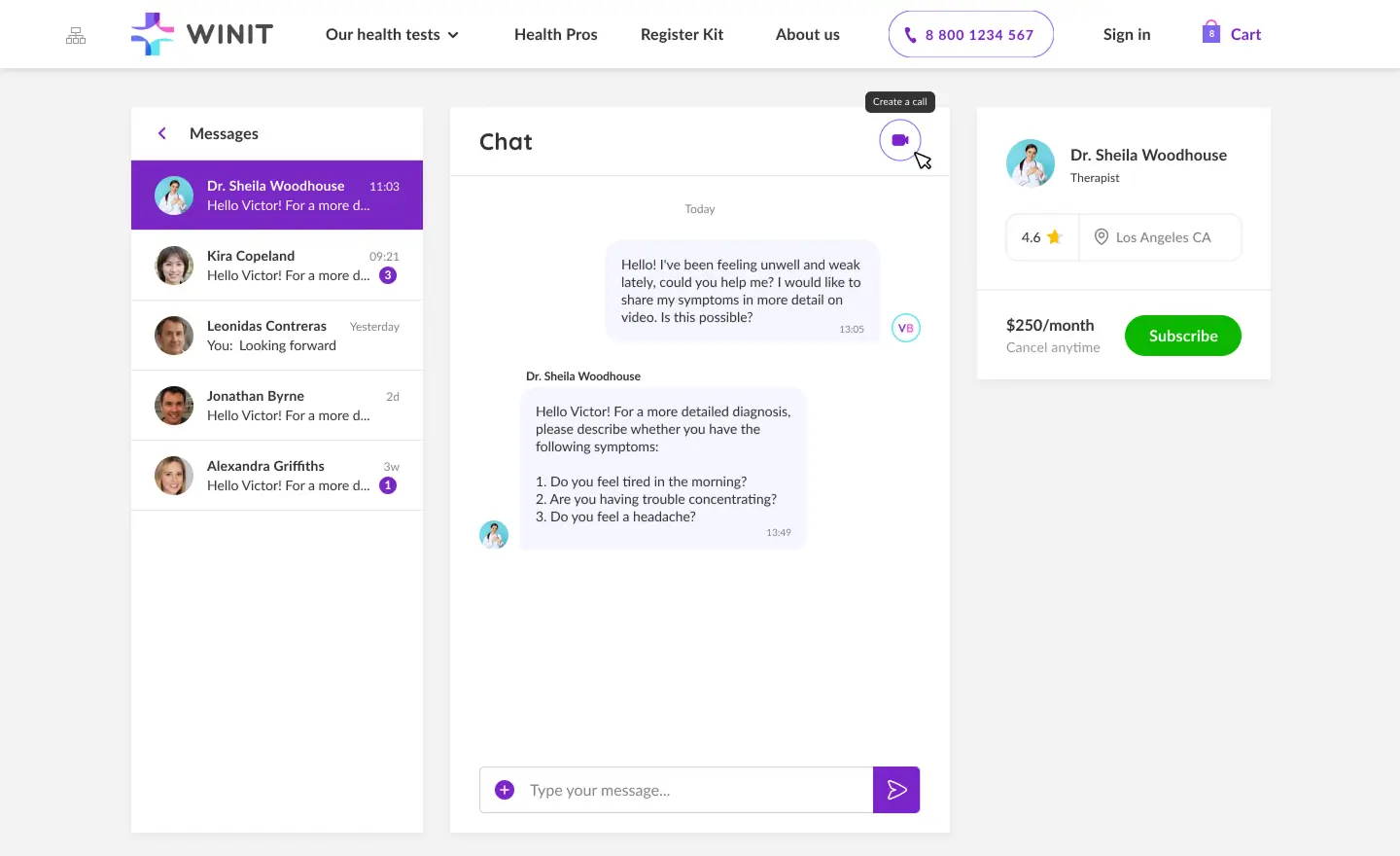
Chat
Chat directly with practitioners to discuss your symptoms, goals, and whether it’s the right fit.
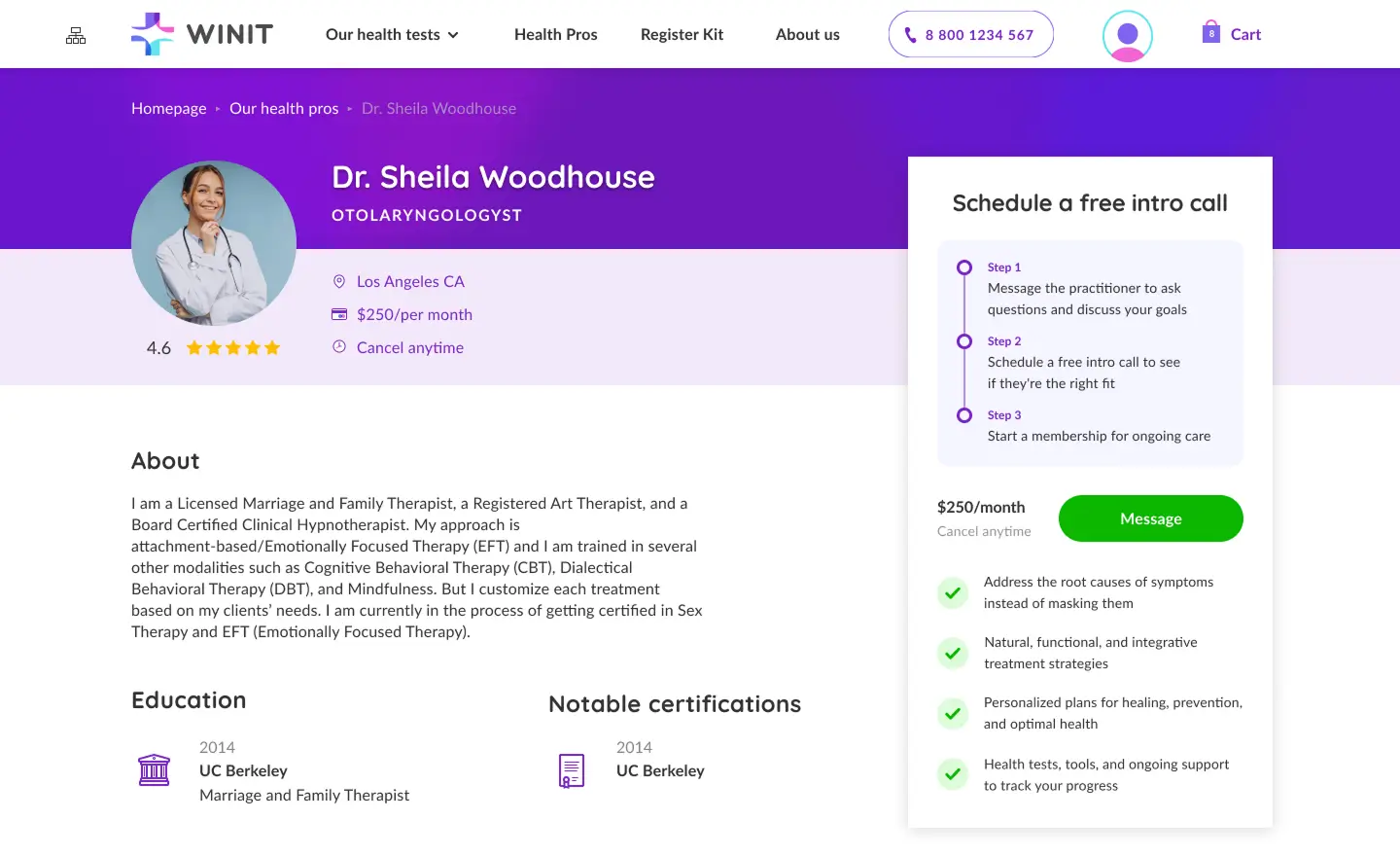
Book a Consultation
Book a consultation with your practitioner of choice and start uncovering the root causes of your symptoms.
Learn about Constipation
Constipation, a common digestive disorder, affects individuals of all ages. It is characterized by difficulty in bowel movements or infrequent bowel movements. According to research, about 16% of adults worldwide experience symptoms of constipation, with the prevalence increasing with age and significantly impacting women more than men.
Causes
Constipation can be caused by a variety of factors, including a low-fiber diet, insufficient water intake, lack of physical activity, changes in routine or lifestyle, and certain medications. Additionally, stress and delaying the urge to have a bowel movement can contribute to the onset of constipation. In some cases, it may also signal more serious underlying health issues such as colorectal disorders.


Signs and symptoms
- Fewer than three bowel movements per week - Hard, dry, or lumpy stools - Straining or difficulty during bowel movements - Feeling of incomplete evacuation - Bloating, abdominal pain, or discomfort
Diagnosing Constipation
The diagnosis of constipation largely relies on the patient’s history and a physical examination. Health care providers may also use the Rome IV criteria, which focus on symptoms including stool consistency, frequency, and effort required for bowel movements. In certain cases, additional tests like blood tests, colonoscopy, or anorectal manometry might be conducted to identify or rule out other medical conditions.


Prevention and natural treatment
Prevention and treatment strategies for constipation emphasize natural and lifestyle approaches. Increasing the intake of fiber through fruits, vegetables, and whole grains can help soften stools and promote regular bowel movements. Adequate hydration, regular physical activity, and maintaining a routine can also significantly reduce the risk of constipation. For treatment, in addition to dietary and lifestyle changes, supplementing with soluble non-fermentable fibers like psyllium has shown to be effective. Probiotics and prebiotics can also support a healthy gut microbiome, playing a role in alleviating constipation. It’s important to consult a healthcare provider before starting any new supplement, especially for individuals with underlying health conditions or those taking other medications. Embracing a functional medicine approach, which looks at the root causes of constipation, can be key in developing a personalized treatment plan. This might include stress management techniques and addressing any other health issues that could be contributing to constipation symptoms.


Browse popular locations
 Atlanta, GA
- Houston, TX
- Chicago, IL
- Los Angeles, CA
- Miami, FL
- Austin, TX
- Dallas, TX
- New York, NY
- Seattle, WA
- Charlotte, NC
- Denver, CO
- Maryland, NY




Connect with an expert for Constipation
Book consult