Headache doctor near me
Take control of your health—naturally.


Recommended health tests for Headaches

At-Home Lab Test
Collect your sample and do your consultations at home, on you own time, and receive your secure result in just days on any device
At-Home Lab Test
Collect your sample and do your consultations at home, on you own time, and receive your secure result in just days on any device
At-Home Lab Test
Collect your sample and do your consultations at home, on you own time, and receive your secure result in just days on any device
At-Home Lab Test
Collect your sample and do your consultations at home, on you own time, and receive your secure result in just days on any device
At-Home Lab Test
Collect your sample and do your consultations at home, on you own time, and receive your secure result in just days on any device
At-Home Lab Test
Collect your sample and do your consultations at home, on you own time, and receive your secure result in just days on any device
At-Home Lab Test
Collect your sample and do your consultations at home, on you own time, and receive your secure result in just days on any device
At-Home Lab Test
Collect your sample and do your consultations at home, on you own time, and receive your secure result in just days on any device
At-Home Lab Test
Collect your sample and do your consultations at home, on you own time, and receive your secure result in just days on any device
At-Home Lab Test
Collect your sample and do your consultations at home, on you own time, and receive your secure result in just days on any device
At-Home Lab Test
Collect your sample and do your consultations at home, on you own time, and receive your secure result in just days on any device
At-Home Lab Test
Collect your sample and do your consultations at home, on you own time, and receive your secure result in just days on any device
At-Home Lab Test
Collect your sample and do your consultations at home, on you own time, and receive your secure result in just days on any device
At-Home Lab Test
Collect your sample and do your consultations at home, on you own time, and receive your secure result in just days on any device
At-Home Lab Test
Collect your sample and do your consultations at home, on you own time, and receive your secure result in just days on any device
At-Home Lab Test
Collect your sample and do your consultations at home, on you own time, and receive your secure result in just days on any device
At-Home Lab Test
Collect your sample and do your consultations at home, on you own time, and receive your secure result in just days on any device
At-Home Lab Test
Collect your sample and do your consultations at home, on you own time, and receive your secure result in just days on any device
At-Home Lab Test
Collect your sample and do your consultations at home, on you own time, and receive your secure result in just days on any device
How it works
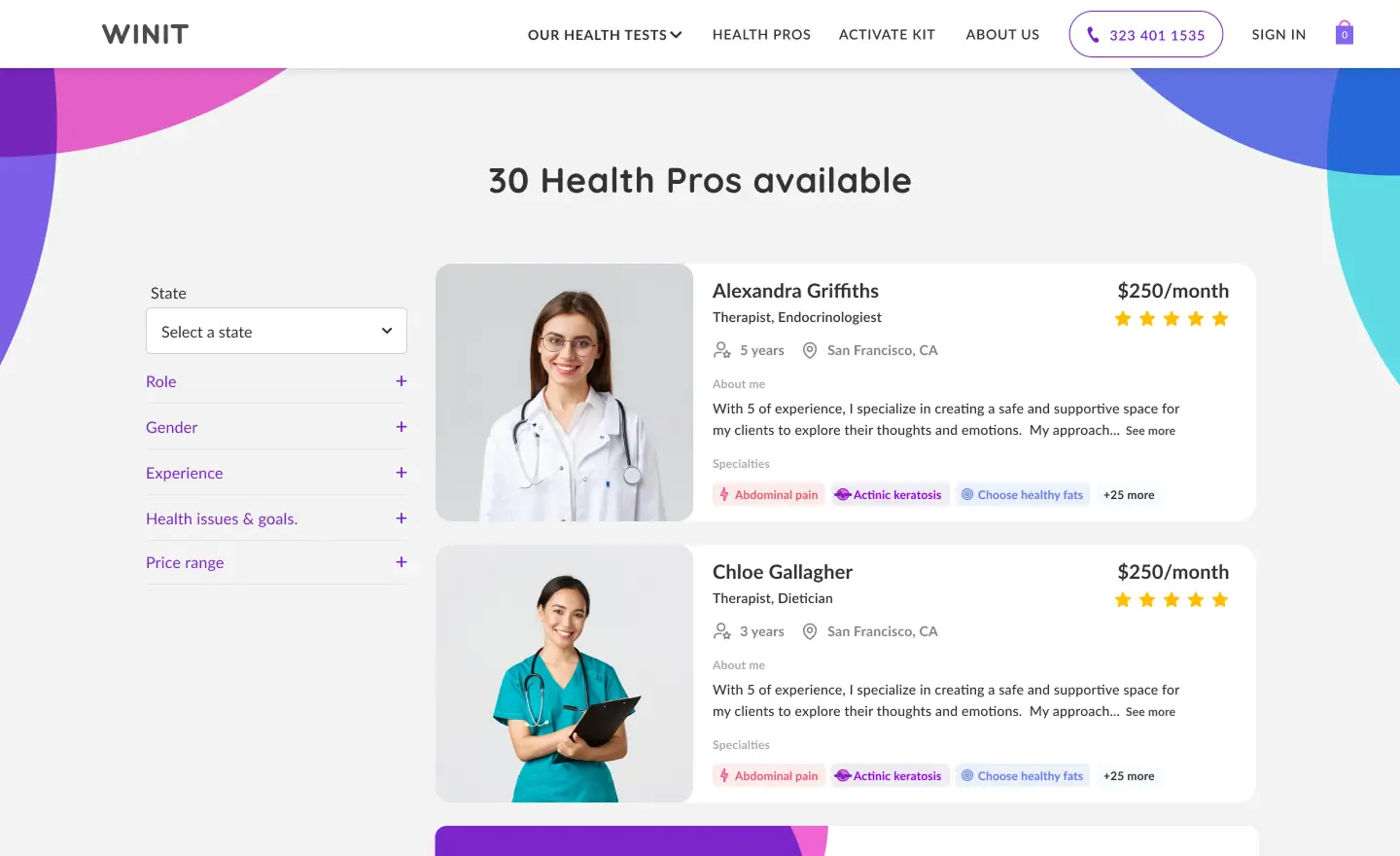
Find a Practitioner
Browse practitioners and explore their specialties, experience, and approach.
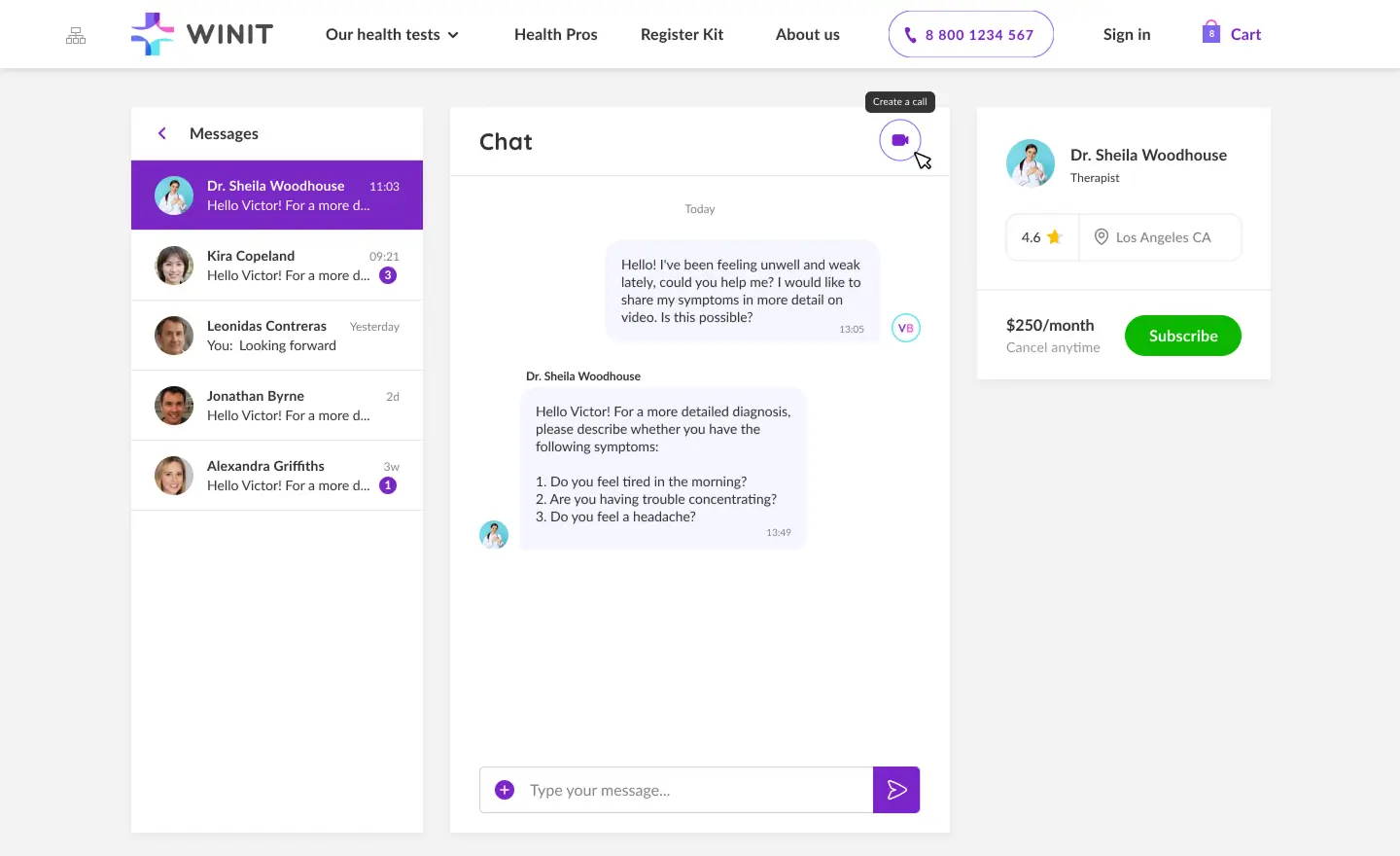
Chat
Chat directly with practitioners to discuss your symptoms, goals, and whether it’s the right fit.
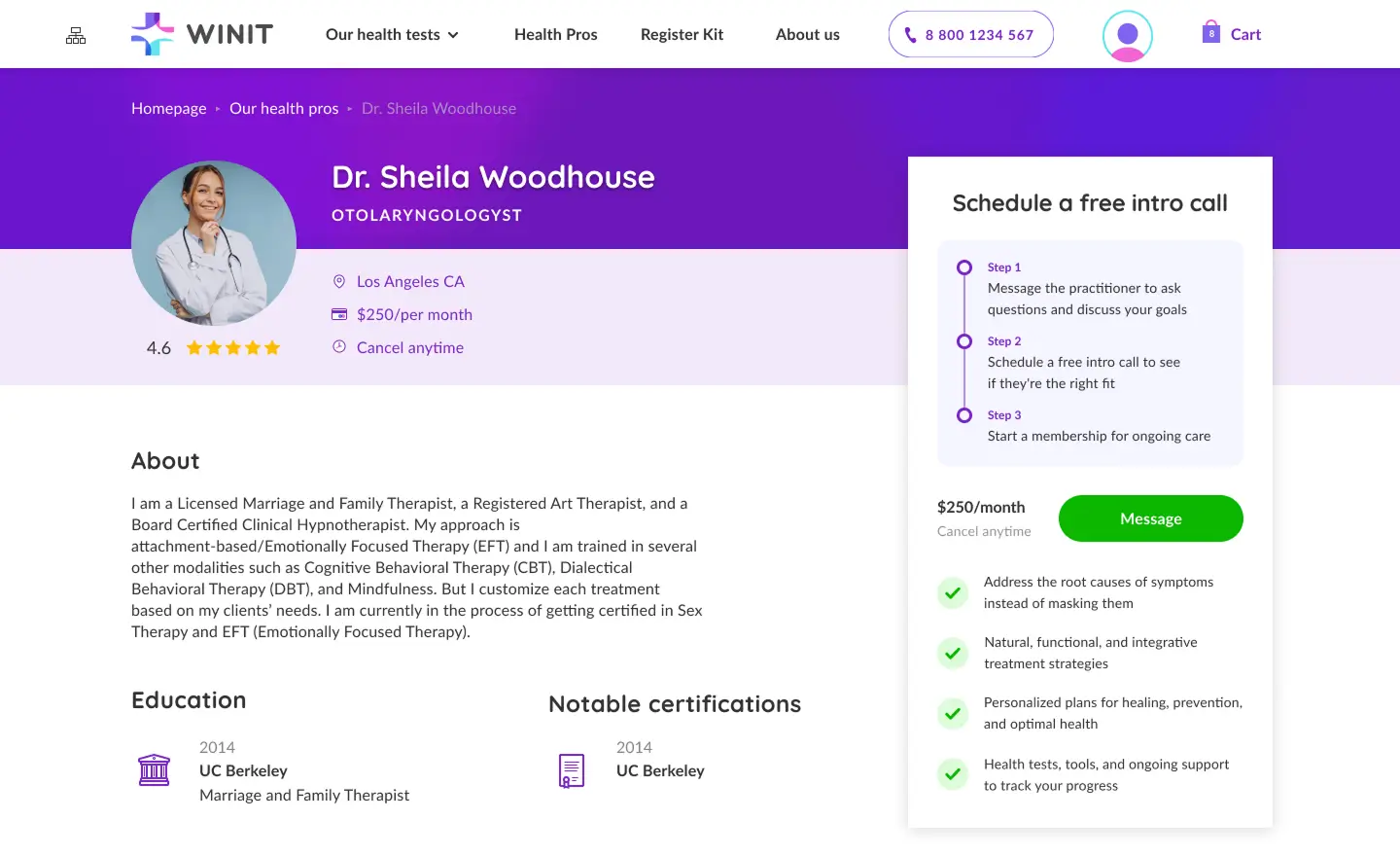
Book a Consultation
Book a consultation with your practitioner of choice and start uncovering the root causes of your symptoms.
Learn about Headaches
Headaches, a common ailment affecting individuals worldwide, can range from mild discomfort to severe pain, disrupting daily activities. Their prevalence is undeniable, with millions experiencing varying types of headaches at some point in their lives. With such a wide impact, understanding natural treatment methods is essential for those seeking relief outside of conventional pharmaceuticals.
Causes
Headaches can stem from a myriad of causes, ranging from environmental factors to internal imbalances. Common triggers include stress, dehydration, poor posture, eye strain, lack of sleep, nutritional deficiencies, and hormonal changes. In some instances, headaches can also be symptomatic of more severe health conditions.

Signs and symptoms
The manifestations of headache can vary greatly, but common symptoms include: - Persistent pain in one or more parts of the head - Sensitivity to light and sound - Nausea or vomiting - Dizziness - Blurred vision - Scalp tenderness
Diagnosing Headaches
Diagnosing the cause of a headache often involves a thorough medical history evaluation and physical examination. Healthcare providers may also recommend specific tests like MRI or CT scans to rule out other underlying conditions. It’s crucial to accurately determine the headache type, such as tension, migraine, or cluster headaches, for effective treatment.
Prevention and natural treatment
Preventing and treating headaches through functional medicine focuses on identifying and addressing the root causes rather than merely alleviating symptoms. Key strategies include: - Nutrition: Adopt a balanced diet rich in magnesium, omega-3 fatty acids, and hydration to prevent nutritional deficiencies known to trigger headaches. - Stress Management: Techniques such as yoga, meditation, and deep-breathing exercises can significantly reduce stress-related headaches. - Sleep: Ensure adequate sleep and maintain a regular sleep schedule to help prevent headaches. - Posture: Correcting posture can alleviate tension and reduce the frequency of headaches caused by neck strain. - Detoxification: Reducing exposure to toxins and supporting the body’s detox pathways can lower the burden on the system, potentially decreasing headache occurrences. Additionally, certain herbs and supplements, like feverfew and butterbur, have shown promise in reducing headache frequency and severity as part of a natural treatment plan. However, always consult a healthcare provider before starting any new supplement.


Browse popular locations
 Atlanta, GA
- Chicago, IL
- Los Angeles, CA
- Miami, FL
- Seattle, WA
- Charlotte, NC
- Denver, CO
- New York, NY
- Las Vegas, NV
- Austin, TX
- Dallas, TX
- Houston, TX




Connect with an expert for Headaches
Book consult