Miscarriage treatment
Take control of your health—naturally.


Recommended health tests for Miscarriage

At-Home Lab Test
Collect your sample and do your consultations at home, on you own time, and receive your secure result in just days on any device
At-Home Lab Test
Collect your sample and do your consultations at home, on you own time, and receive your secure result in just days on any device
At-Home Lab Test
Collect your sample and do your consultations at home, on you own time, and receive your secure result in just days on any device
At-Home Lab Test
Collect your sample and do your consultations at home, on you own time, and receive your secure result in just days on any device
At-Home Lab Test
Collect your sample and do your consultations at home, on you own time, and receive your secure result in just days on any device
How it works
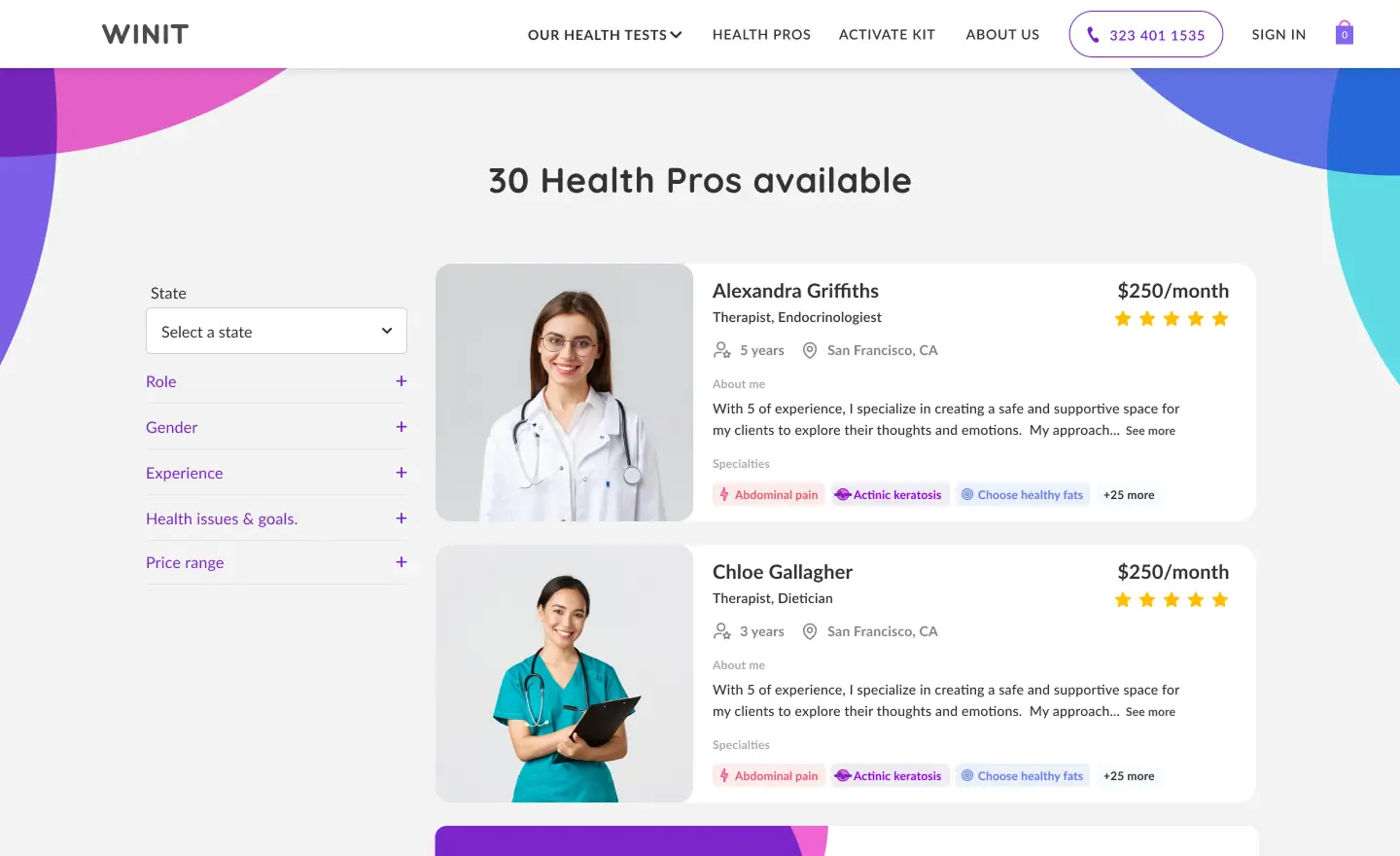
Find a Practitioner
Browse practitioners and explore their specialties, experience, and approach.
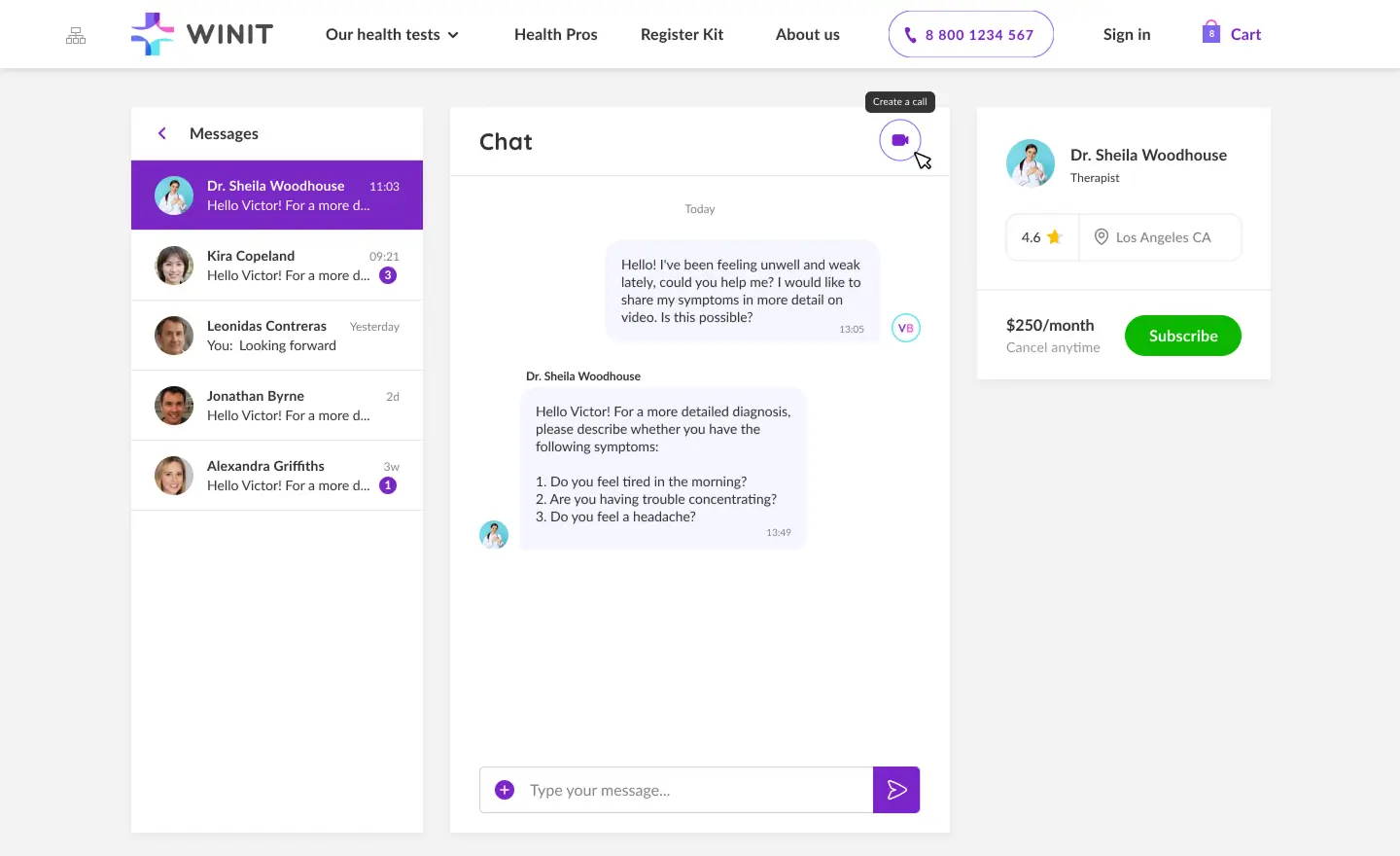
Chat
Chat directly with practitioners to discuss your symptoms, goals, and whether it’s the right fit.
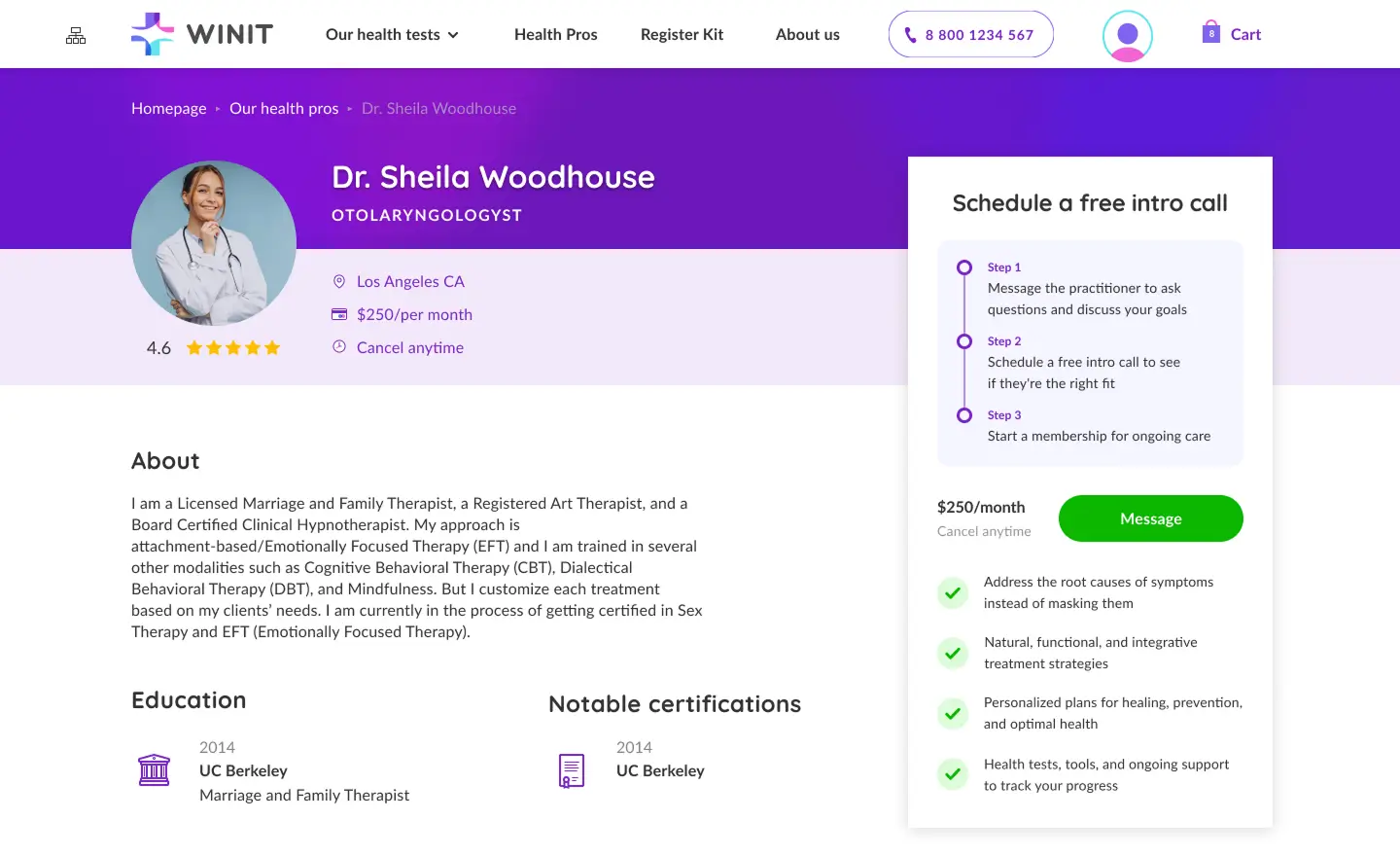
Book a Consultation
Book a consultation with your practitioner of choice and start uncovering the root causes of your symptoms.
Learn about Miscarriage
Miscarriage, the spontaneous loss of a pregnancy before the 20th week, is a heartbreaking event that affects many individuals and couples. It's estimated that 10-20% of known pregnancies end in miscarriage, but the actual number is likely higher because many occur before the pregnancy is recognized. Understanding miscarriage is the first step in addressing and managing its impacts on health and well-being.
Causes
Miscarriages can be caused by a variety of factors, most of which are beyond a person's control. Genetic problems in the developing fetus are the most common cause, though issues such as hormonal imbalances, immune system responses, and physical problems with the uterus or cervix can also lead to miscarriage. Lifestyle factors, including smoking, alcohol, and excessive caffeine intake, might increase the risk. However, it's important to remember that many miscarriages occur without a discernable cause.

Signs and symptoms
- Vaginal spotting or bleeding - Pain or cramping in the abdomen or lower back - Fluid or tissue passing from the vagina - Loss of pregnancy symptoms, such as breast tenderness or nausea
Diagnosing Miscarriage
Diagnosis begins with a physical exam and a review of symptoms. Healthcare providers may use ultrasound to check the fetus's heartbeat and development, and blood tests to measure hormone levels. In some cases, additional tests may be conducted to identify underlying causes of recurrent miscarriages.

Prevention and natural treatment
While not all miscarriages can be prevented, certain steps can be taken to maintain a healthy pregnancy. This includes regular prenatal care, avoiding known miscarriage risks like smoking and alcohol, and managing pre-existing health conditions. In the realm of functional medicine, treatment and prevention focus on addressing the whole person. Dietary changes, such as increased intake of whole foods rich in antioxidants and essential nutrients, can support overall reproductive health. Supplements like vitamin D, B-vitamins (especially folate), and omega-3 fatty acids may also be beneficial, though it's crucial to consult a healthcare provider before starting any new supplement regime. Stress reduction techniques, including yoga, meditation, and mindfulness, can help manage emotional stress and support hormonal balance. Acupuncture and herbal medicine may also play a role in maintaining a healthy pregnancy, though scientific evidence is varied, and treatments should be approached carefully, ideally under the guidance of a healthcare professional. Remember, managing the aftermath of a miscarriage is both a physical and emotional journey. Seeking support from healthcare providers, counselors, and support groups can be an essential part of the healing process.


Browse popular locations
 Atlanta, GA
- Houston, TX
- Chicago, IL
- Los Angeles, CA
- Miami, FL
- Austin, TX
- Dallas, TX
- New York, NY
- Seattle, WA
- Charlotte, NC
- Denver, CO
- Maryland, NY




Connect with an expert for Miscarriage
Book consult