Relapsing polychondritis treatment
Take control of your health—naturally.
Meet our practitioners who specialize in natural Relapsing polychondritis treatment
How it works

Find a Practitioner
Browse practitioners and explore their specialties, experience, and approach.
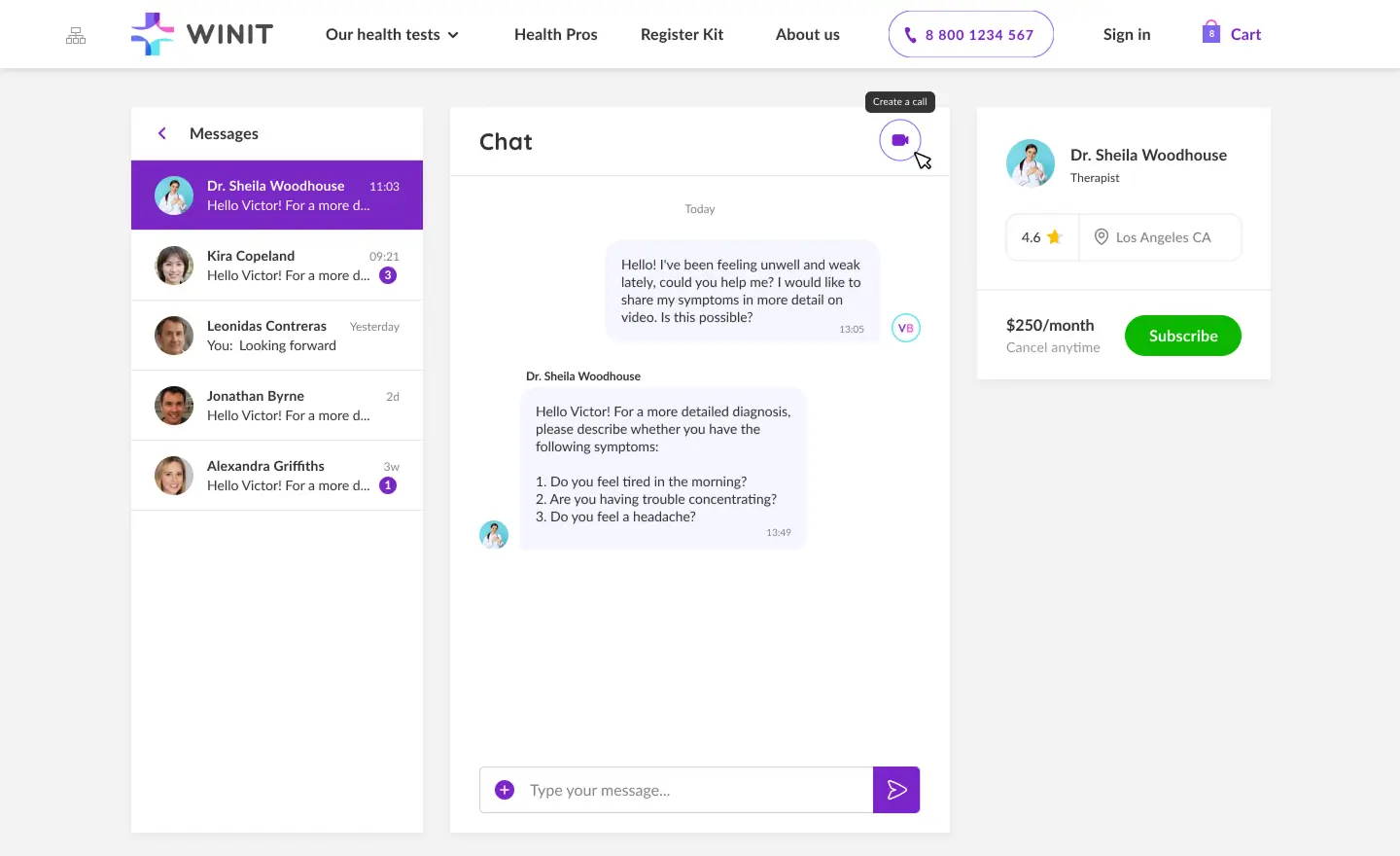
Chat
Chat directly with practitioners to discuss your symptoms, goals, and whether it’s the right fit.

Book a Consultation
Book a consultation with your practitioner of choice and start uncovering the root causes of your symptoms.
Learn about Relapsing polychondritis
Relapsing polychondritis is a rare autoimmune disorder characterized by recurrent episodes of inflammation of the cartilage and other tissues throughout the body. This condition can affect various parts of the body but predominantly targets the ears, nose, joints, and respiratory tract. Despite its rarity, with a perceived incidence of 3.5 cases per million annually, relapsing polychondritis poses significant challenges to those afflicted, impacting their quality of life substantially.
Causes
The exact cause of relapsing polychondritis remains unknown. However, it's believed to be an autoimmune disease, where the immune system mistakenly attacks the body's own cartilage and tissue thinking they are foreign substances. Genetic factors may play a role, though no specific gene has been identified. Environmental factors, such as exposure to certain chemicals or viruses, may potentially trigger the disease in genetically susceptible individuals.


Signs and symptoms
The signs and symptoms of relapsing polychondritis are varied and can manifest differently from one person to another, often dependent on which areas of the body are affected. Key symptoms include: - Redness, pain, and swelling in the affected cartilage areas, especially the ears and nose - Joint pain and swelling - Difficulty breathing or speaking if the respiratory tract or larynx is involved - Hearing loss or balance problems in case of inner ear involvement - Eye inflammation leading to redness, pain, and potential vision problems
Diagnosing Relapsing polychondritis
Diagnosing relapsing polychondritis can be challenging due to its rarity and the variability of symptoms. There is no single test for the condition. Diagnosis usually involves a careful clinical evaluation, including a detailed medical history and physical examination. Doctors may also use various tests to rule out other conditions and confirm the diagnosis, such as blood tests, imaging tests (like MRI or CT scans), and biopsy of the affected cartilage.


Prevention and natural treatment
While there is no known way to prevent relapsing polychondritis, early diagnosis and treatment can help manage symptoms and prevent complications. Treatment typically focuses on controlling symptoms and reducing inflammation. Traditional treatment options include nonsteroidal anti-inflammatory drugs (NSAIDs), corticosteroids, and immunosuppressive medications. However, in the realm of functional medicine, a more holistic approach is often taken, emphasizing the body's innate healing capacity. Natural treatment strategies may include: - Dietary modifications to reduce inflammation, such as adopting an anti-inflammatory diet rich in omega-3 fatty acids, antioxidants, and phytonutrients. - Supplements such as turmeric, ginger, and omega-3 supplements to help reduce inflammation. - Stress management techniques, including yoga, meditation, and deep breathing exercises, as chronic stress may exacerbate symptoms. - Physical therapy to maintain flexibility and strength in joints and muscles affected by the disease. - Acupuncture or chiropractic care to help manage pain and improve overall well-being. Despite the complexity of relapsing polychondritis, embracing a functional medicine perspective can offer a comprehensive approach to managing this condition, focusing on natural and holistic interventions to support the body's health and resilience.


Browse popular locations
 Atlanta, GA
- Houston, TX
- Chicago, IL
- Los Angeles, CA
- Miami, FL
- Austin, TX
- Dallas, TX
- New York, NY
- Seattle, WA
- Charlotte, NC
- Denver, CO
- Maryland, NY




Connect with an expert for Relapsing polychondritis
Book consult