Rhabdomyosarcoma treatment
Take control of your health—naturally.
Meet our practitioners who specialize in natural Rhabdomyosarcoma treatment
How it works
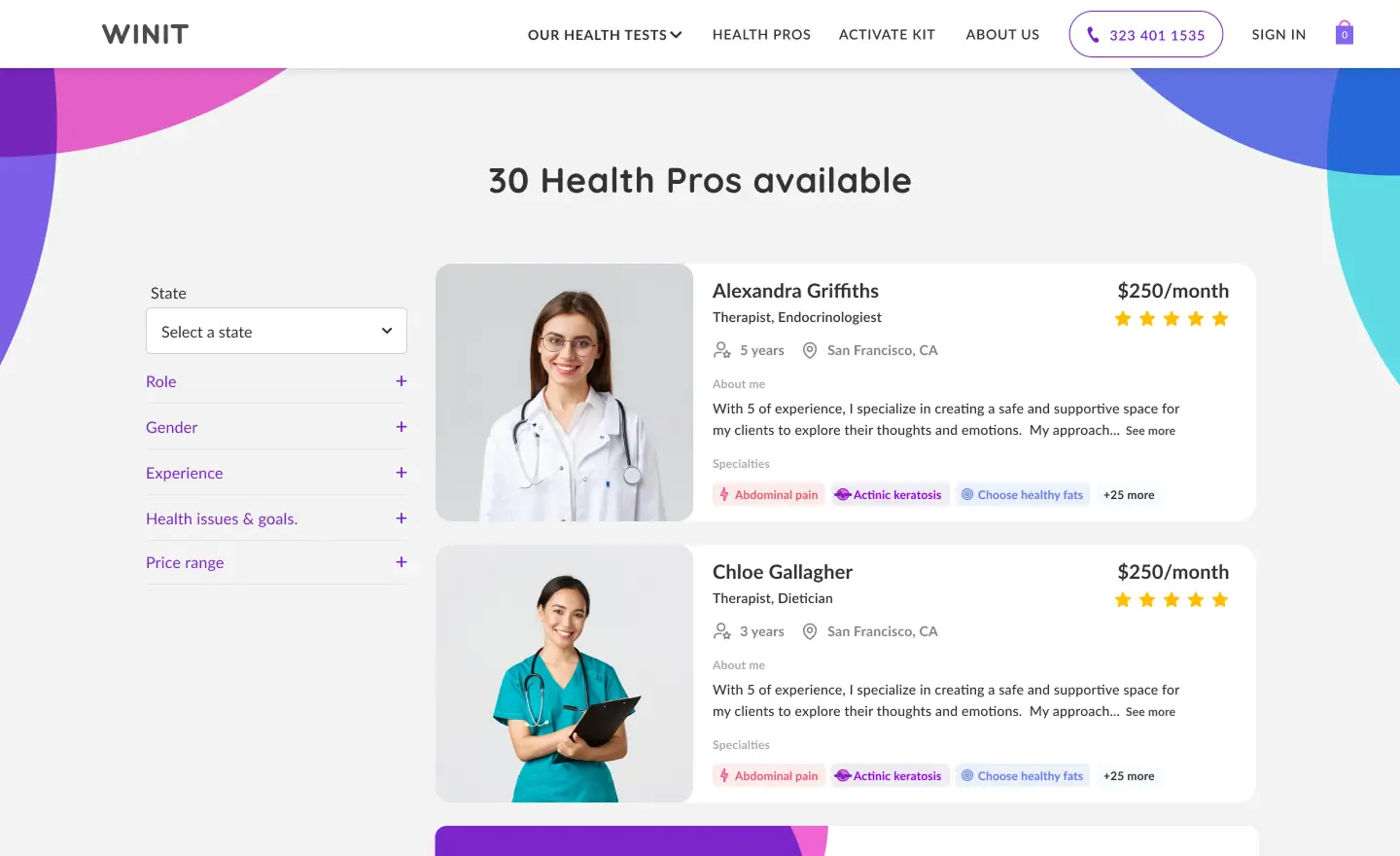
Find a Practitioner
Browse practitioners and explore their specialties, experience, and approach.
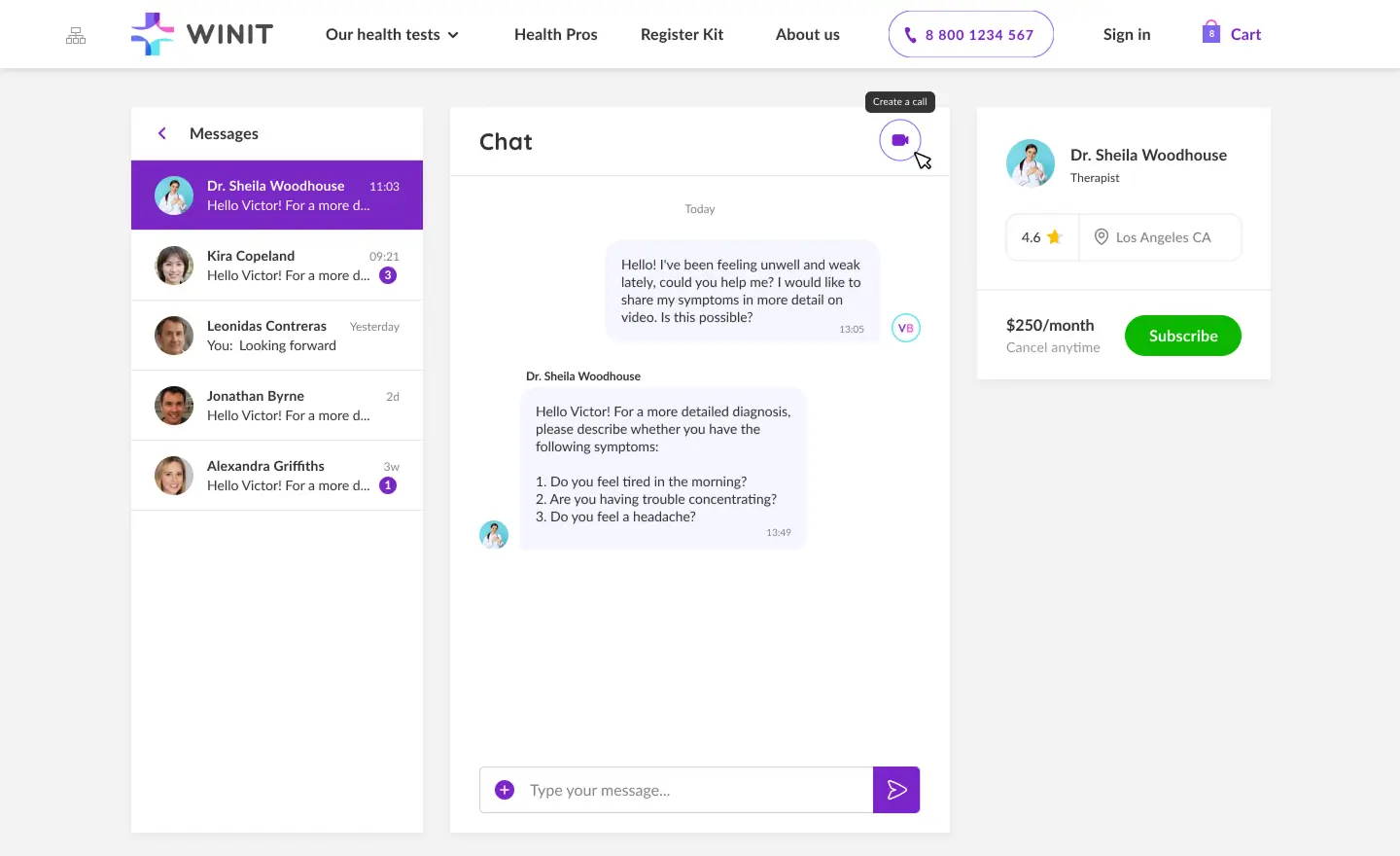
Chat
Chat directly with practitioners to discuss your symptoms, goals, and whether it’s the right fit.
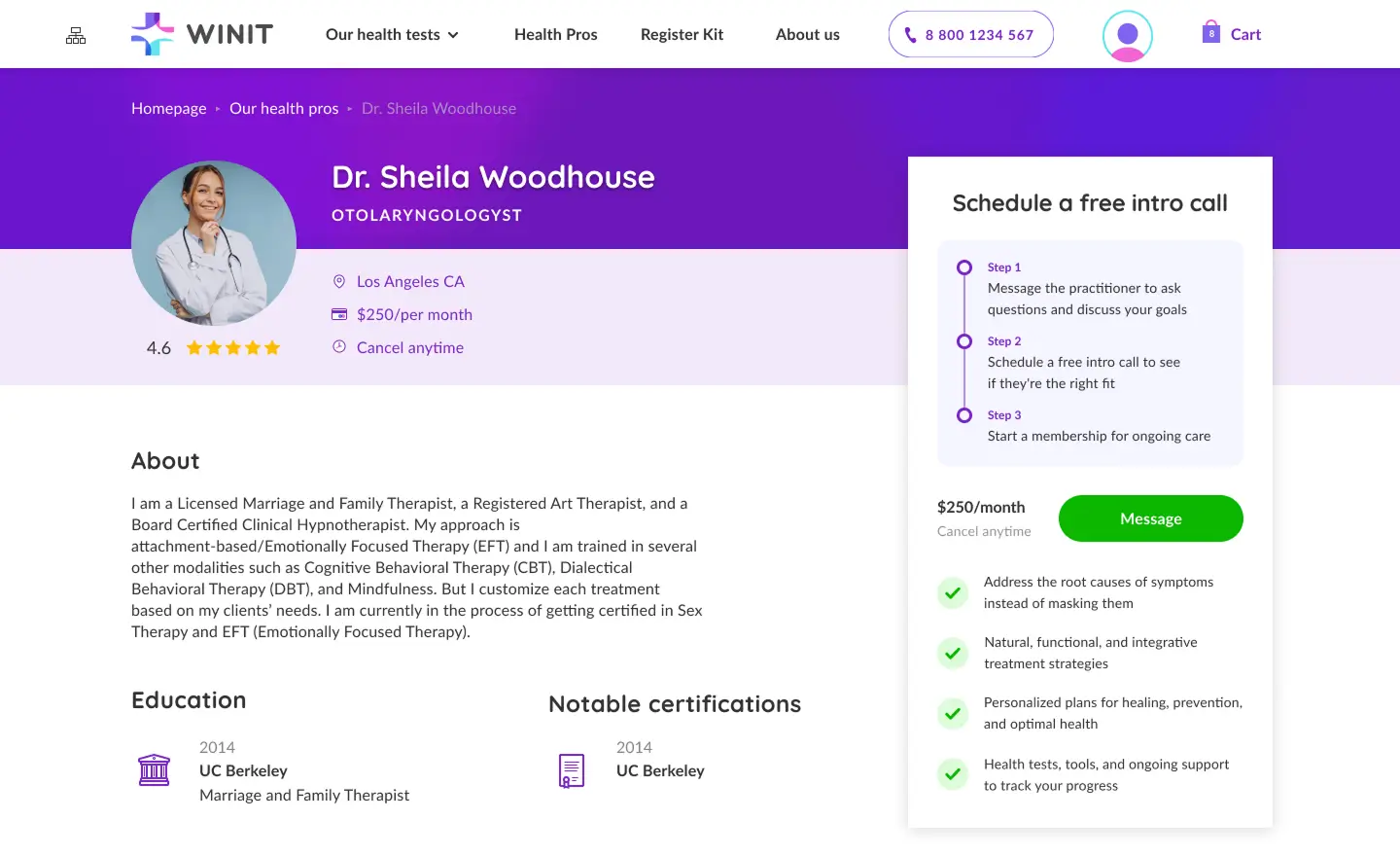
Book a Consultation
Book a consultation with your practitioner of choice and start uncovering the root causes of your symptoms.
Learn about Rhabdomyosarcoma
Rhabdomyosarcoma, a type of cancer that develops from skeletal muscle cells that have not yet fully formed, is a condition that not only affects individuals but also touches the hearts of their loved ones. This disease is most commonly seen in children, but it can affect people of any age, making its prevalence not confined to just one demographic. Its aggressive nature makes it crucial for patients and their caregivers to explore all available treatment options, including those outside the conventional spectrum, like natural and functional medicine approaches.
Causes
The exact cause of rhabdomyosarcoma remains unclear. However, researchers believe it results from genetic mutations in muscle cells that cause them to grow uncontrollably, forming a tumor. Some risk factors have been identified, including certain genetic conditions like Li-Fraumeni syndrome and neurofibromatosis type 1, suggesting a possible genetic predisposition to developing this kind of cancer.

Signs and symptoms
Rhabdomyosarcoma presents a variety of symptoms depending on its location in the body. Common signs include: - A noticeable lump or swelling that may be painful - Bleeding from the nose, vagina, or rectum - Headaches and bulging of the eyes (if the tumor is near the eyes) - Difficulty urinating or bowel movements (if the tumor is in the bladder or near the reproductive organs) - Coughing and wheezing (if the tumor is in the chest)
Diagnosing Rhabdomyosarcoma
Diagnosing rhabdomyosarcoma involves a few steps. Initially, a detailed medical history and physical examination are conducted. Imaging tests such as MRI, CT scans, and PET scans are crucial for locating the tumor and determining its size. A biopsy, where a small sample of the tumor is removed and examined under a microscope, is definitive for diagnosing rhabdomyosarcoma. In some cases, additional tests might be conducted to check for metastasis or spread to other body parts.


Prevention and natural treatment
Though direct prevention of rhabdomyosarcoma may be challenging due to its unclear causes, focusing on minimizing risk factors where possible could be beneficial. In terms of treatments, functional medicine offers a holistic approach, emphasizing the body's natural healing ability and focusing on treating the root cause rather than just symptoms. Diet and nutrition play a significant role in functional medicine. A diet rich in fruits, vegetables, whole grains, and lean proteins can support the body during treatment by strengthening the immune system. Supplements such as vitamin D, curcumin, and omega-3 fatty acids have been studied for their potential anti-cancer properties, although further research is needed to conclusively determine their effectiveness against rhabdomyosarcoma specifically. Lifestyle modifications, including regular exercise, sufficient sleep, stress reduction techniques, and avoidance of known carcinogens (e.g., tobacco and excessive alcohol), are also encouraged to support overall health and well-being. In addition to these natural approaches, it is crucial for patients to work closely with a healthcare team that can include oncologists, nutritionists, and functional medicine practitioners to create a comprehensive and personalized treatment plan. This multidisciplinary approach ensures the best possible care, blending the strengths of conventional medicine with the holistic benefits of natural therapies.


Browse popular locations
 Atlanta, GA
- Houston, TX
- Chicago, IL
- Los Angeles, CA
- Miami, FL
- Austin, TX
- Dallas, TX
- New York, NY
- Seattle, WA
- Charlotte, NC
- Denver, CO
- Maryland, NY




Connect with an expert for Rhabdomyosarcoma
Book consult