Chronic myeloid leukaemia treatment
Take control of your health—naturally.
Meet our practitioners who specialize in natural Chronic myeloid leukaemia treatment
Recommended health tests for Chronic myeloid leukaemia

At-Home Lab Test
Collect your sample and do your consultations at home, on you own time, and receive your secure result in just days on any device
At-Home Lab Test
Collect your sample and do your consultations at home, on you own time, and receive your secure result in just days on any device
At-Home Lab Test
Collect your sample and do your consultations at home, on you own time, and receive your secure result in just days on any device
At-Home Lab Test
Collect your sample and do your consultations at home, on you own time, and receive your secure result in just days on any device
At-Home Lab Test
Collect your sample and do your consultations at home, on you own time, and receive your secure result in just days on any device
At-Home Lab Test
Collect your sample and do your consultations at home, on you own time, and receive your secure result in just days on any device
At-Home Lab Test
Collect your sample and do your consultations at home, on you own time, and receive your secure result in just days on any device
At-Home Lab Test
Collect your sample and do your consultations at home, on you own time, and receive your secure result in just days on any device
At-Home Lab Test
Collect your sample and do your consultations at home, on you own time, and receive your secure result in just days on any device
At-Home Lab Test
Collect your sample and do your consultations at home, on you own time, and receive your secure result in just days on any device
At-Home Lab Test
Collect your sample and do your consultations at home, on you own time, and receive your secure result in just days on any device
At-Home Lab Test
Collect your sample and do your consultations at home, on you own time, and receive your secure result in just days on any device
At-Home Lab Test
Collect your sample and do your consultations at home, on you own time, and receive your secure result in just days on any device
At-Home Lab Test
Collect your sample and do your consultations at home, on you own time, and receive your secure result in just days on any device
At-Home Lab Test
Collect your sample and do your consultations at home, on you own time, and receive your secure result in just days on any device
At-Home Lab Test
Collect your sample and do your consultations at home, on you own time, and receive your secure result in just days on any device
At-Home Lab Test
Collect your sample and do your consultations at home, on you own time, and receive your secure result in just days on any device
At-Home Lab Test
Collect your sample and do your consultations at home, on you own time, and receive your secure result in just days on any device
At-Home Lab Test
Collect your sample and do your consultations at home, on you own time, and receive your secure result in just days on any device
At-Home Lab Test
Collect your sample and do your consultations at home, on you own time, and receive your secure result in just days on any device
At-Home Lab Test
Collect your sample and do your consultations at home, on you own time, and receive your secure result in just days on any device
At-Home Lab Test
Collect your sample and do your consultations at home, on you own time, and receive your secure result in just days on any device
At-Home Lab Test
Collect your sample and do your consultations at home, on you own time, and receive your secure result in just days on any device
At-Home Lab Test
Collect your sample and do your consultations at home, on you own time, and receive your secure result in just days on any device
At-Home Lab Test
Collect your sample and do your consultations at home, on you own time, and receive your secure result in just days on any device
At-Home Lab Test
Collect your sample and do your consultations at home, on you own time, and receive your secure result in just days on any device
How it works

Find a Practitioner
Browse practitioners and explore their specialties, experience, and approach.
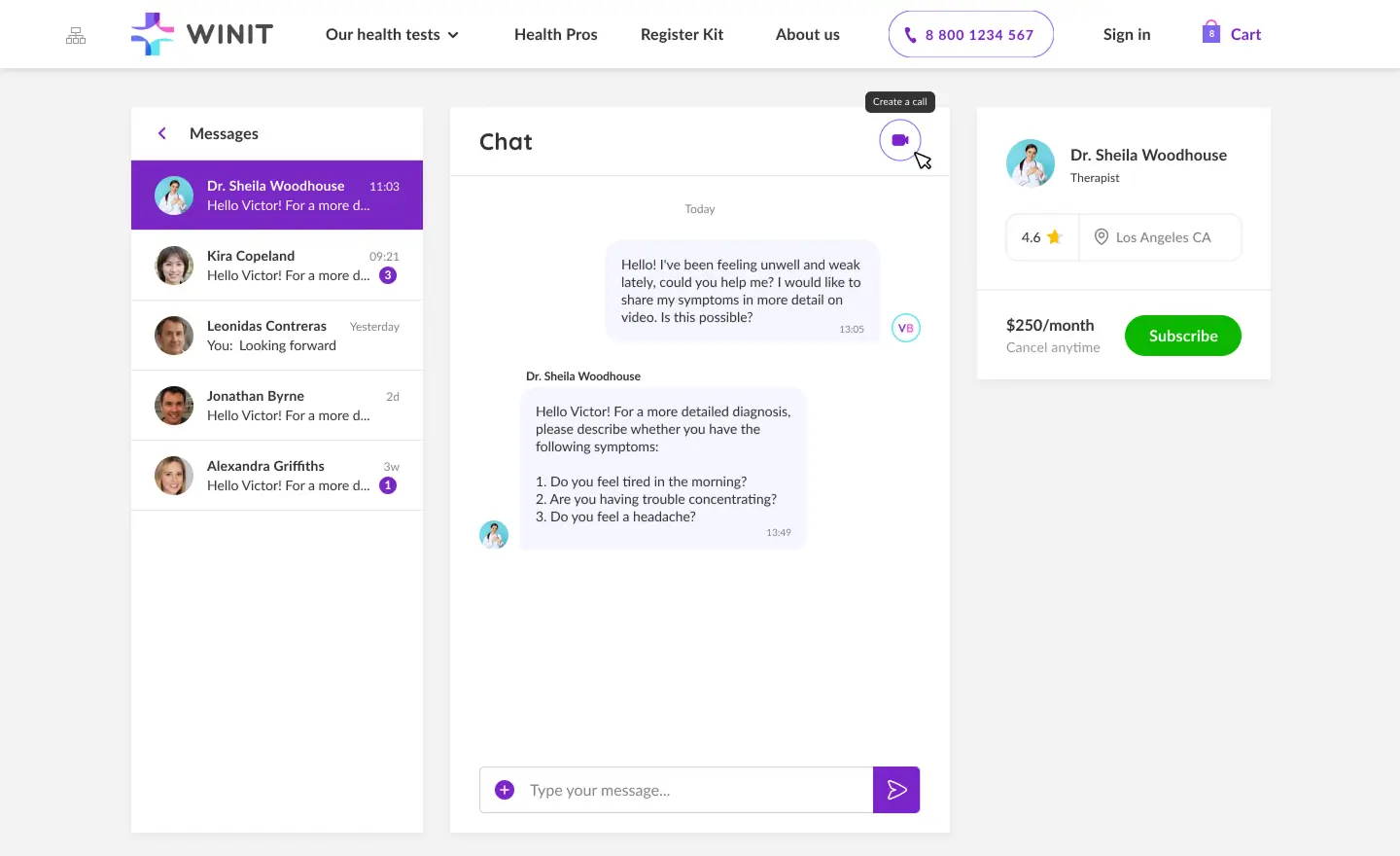
Chat
Chat directly with practitioners to discuss your symptoms, goals, and whether it’s the right fit.
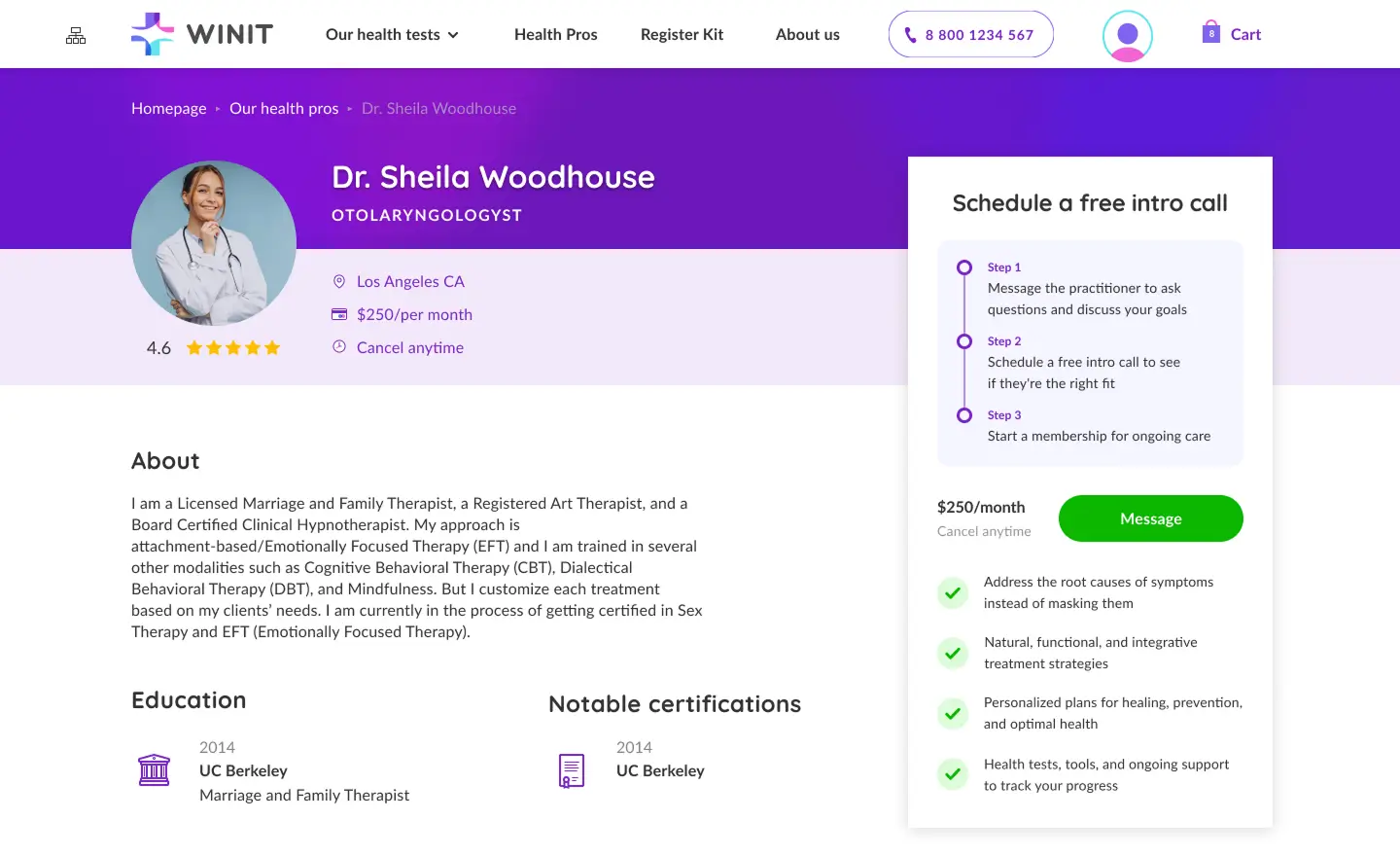
Book a Consultation
Book a consultation with your practitioner of choice and start uncovering the root causes of your symptoms.
Learn about Chronic myeloid leukaemia
Chronic Myeloid Leukaemia (CML) is a type of cancer that primarily affects the bone marrow and blood. It is characterized by an uncontrolled growth of white blood cells, which eventually interferes with the normal production of blood cells. According to the American Cancer Society, around 8,430 new cases of CML were expected to be diagnosed in the United States in 2021, highlighting its relevance.
Causes
The primary cause of CML is a genetic abnormality known as the Philadelphia chromosome. This chromosome is the result of a translocation between chromosomes 9 and 22, leading to the creation of the BCR-ABL oncogene. The BCR-ABL oncogene causes abnormal proliferation of white blood cells. While the exact trigger of this genetic mutation is unknown, factors such as exposure to high doses of radiation have been linked to an increased risk of developing CML.

Signs and symptoms
Patients with CML might experience a variety of symptoms, including: - Fatigue - Weakness - Unexplained weight loss - Fever - Night sweats - Full feeling in the abdomen due to an enlarged spleen It's important to note that in the early stages, CML can be asymptomatic and may only be detected during routine blood tests.
Diagnosing Chronic myeloid leukaemia
Diagnosing CML involves a combination of physical examinations, blood tests, and genetic testing. Blood tests can reveal the presence of an increased number of white blood cells and immature cells known as blast cells. Additionally, the definitive diagnosis of CML is made through the detection of the Philadelphia chromosome or the BCR-ABL gene using cytogenetic analysis or PCR (Polymerase Chain Reaction) testing, respectively.


Prevention and natural treatment
Currently, there is no known way to prevent CML due to its genetic basis. However, progress in understanding the disease has led to the development of targeted therapies that have significantly improved the outcomes for many patients. In the realm of functional medicine and natural treatment, the approach focuses on supporting the body’s health systems while managing symptoms and side effects of conventional treatments. Nutritional strategies that emphasize a balanced diet rich in vegetables, fruits, and whole grains can be beneficial. Furthermore, practices such as yoga and meditation can help manage stress and improve the overall quality of life. Herbal supplements, under the guidance of a healthcare professional, may also support health, but it’s crucial to ensure they do not interfere with conventional cancer treatment. For CML, conventional treatment mainly revolves around targeted drugs known as tyrosine kinase inhibitors (TKIs), which have transformed the management of CML. Integrating natural treatment options with standard medical care should always be done under the supervision of healthcare providers experienced in both fields to ensure safety and effectiveness. Always consult healthcare professionals before starting any new treatment, especially when dealing with chronic conditions like CML.


Browse popular locations
 Atlanta, GA
- Houston, TX
- Chicago, IL
- Los Angeles, CA
- Miami, FL
- Austin, TX
- Dallas, TX
- New York, NY
- Seattle, WA
- Charlotte, NC
- Denver, CO
- Maryland, NY




Connect with an expert for Chronic myeloid leukaemia
Book consult