Hepatitis B doctor near me
Take control of your health—naturally.
Meet our practitioners who specialize in natural Hepatitis B treatment
Recommended health tests for Hepatitis B

At-Home Lab Test
Collect your sample and do your consultations at home, on you own time, and receive your secure result in just days on any device
How it works

Find a Practitioner
Browse practitioners and explore their specialties, experience, and approach.
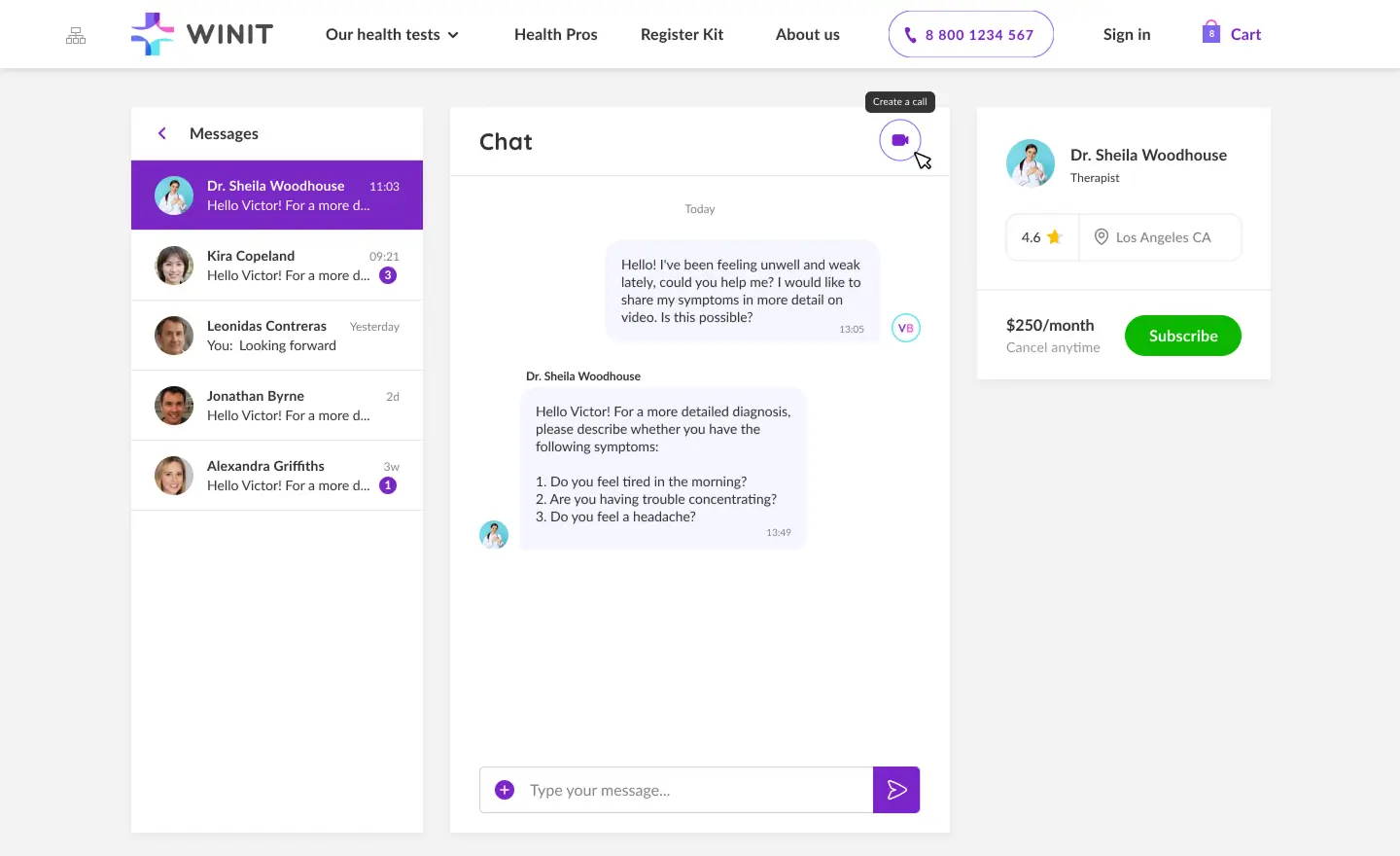
Chat
Chat directly with practitioners to discuss your symptoms, goals, and whether it’s the right fit.
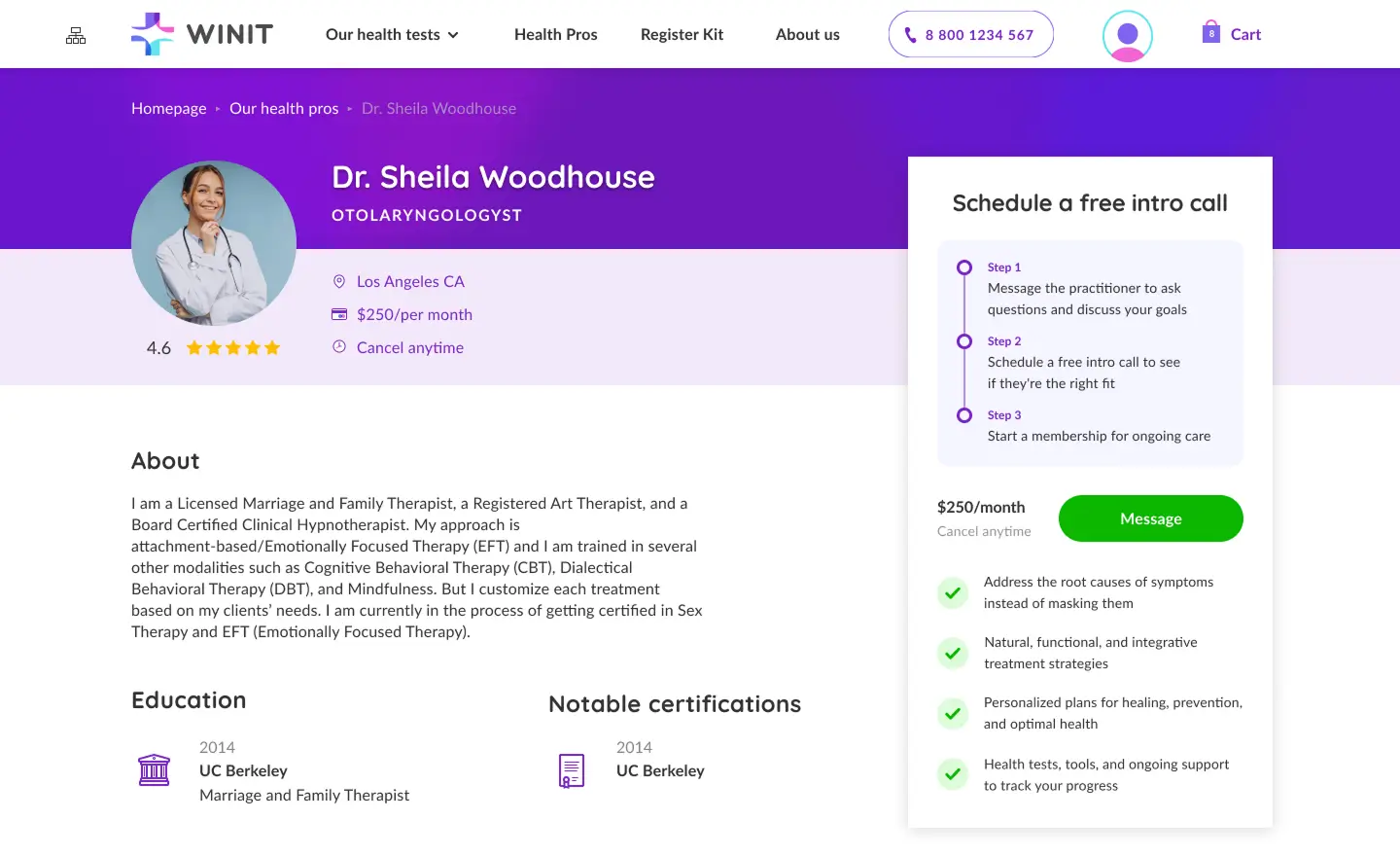
Book a Consultation
Book a consultation with your practitioner of choice and start uncovering the root causes of your symptoms.
Learn about Hepatitis B
Hepatitis B, a potentially life-altering virus targeting the liver, affects millions globally. Despite its prevalence, many remain unaware of the full scope of its impact and the natural interventions that may offer reprieve alongside conventional medicine. This condition, while serious, has opened doors to understanding how lifestyle and dietary choices can significantly influence the body's ability to manage and sometimes resist its progression.
Causes
Hepatitis B stems from the HBV virus, transmitted through contact with infected bodily fluids. This can occur through several means: unprotected sexual encounters, sharing needles for drug use, from mother to infant during childbirth, and less commonly, through shared personal items like razors or toothbrushes. Understanding these transmission vectors is central to both prevention and managing potential exposure scenarios.

Signs and symptoms
Recognizing the symptoms of Hepatitis B can be the key to a timely diagnosis and management. Not everyone shows symptoms, especially in initial stages, but common signs include: - Fatigue that persists - Mild fever - Joint and muscle pain - Loss of appetite - Nausea and vomiting - Jaundice (yellowing of the skin and whites of the eyes) - Dark urine - Clay-colored stools
Diagnosing Hepatitis B
Diagnosis primarily hinges on blood tests that identify the presence of HBV antigens and antibodies. Such tests not only confirm the presence of Hepatitis B but also give insight into whether the infection is acute or chronic. For those at risk or showing symptoms, early testing is crucial to prevent the disease's progression and potential liver damage.


Prevention and natural treatment
Prevention of Hepatitis B largely revolves around vaccination, which provides a high degree of protection. Additionally, sensible precautions such as practicing safe sex, avoiding needle sharing, and using sterile equipment for piercings and tattoos can mitigate risks. Treatment, particularly in the realm of functional medicine, emphasizes the importance of a liver-friendly diet, rich in antioxidants and nutrients that support liver health. Foods such as leafy greens, berries, nuts, and fatty fish are highly recommended. Supplements like milk thistle, selenium, and omega-3 fatty acids are often suggested to boost liver function. Beyond diet and supplements, managing stress levels and engaging in regular physical activity contribute to overall health and the body's resilience against infections such as Hepatitis B. While conventional medical treatments, including antiviral medications, play a crucial role, integrating natural approaches can enhance overall wellbeing and, in some cases, help manage this condition's impact.


Browse popular locations
 Atlanta, GA
- Houston, TX
- Chicago, IL
- Los Angeles, CA
- Miami, FL
- Austin, TX
- Dallas, TX
- New York, NY
- Seattle, WA
- Charlotte, NC
- Denver, CO
- Maryland, NY




Connect with an expert for Hepatitis B
Book consult