Liver tumours treatment
Take control of your health—naturally.
Meet our practitioners who specialize in natural Liver tumours treatment
Recommended health tests for Liver tumours

At-Home Lab Test
Collect your sample and do your consultations at home, on you own time, and receive your secure result in just days on any device
At-Home Lab Test
Collect your sample and do your consultations at home, on you own time, and receive your secure result in just days on any device
At-Home Lab Test
Collect your sample and do your consultations at home, on you own time, and receive your secure result in just days on any device
At-Home Lab Test
Collect your sample and do your consultations at home, on you own time, and receive your secure result in just days on any device
At-Home Lab Test
Collect your sample and do your consultations at home, on you own time, and receive your secure result in just days on any device
At-Home Lab Test
Collect your sample and do your consultations at home, on you own time, and receive your secure result in just days on any device
At-Home Lab Test
Collect your sample and do your consultations at home, on you own time, and receive your secure result in just days on any device
At-Home Lab Test
Collect your sample and do your consultations at home, on you own time, and receive your secure result in just days on any device
How it works

Find a Practitioner
Browse practitioners and explore their specialties, experience, and approach.
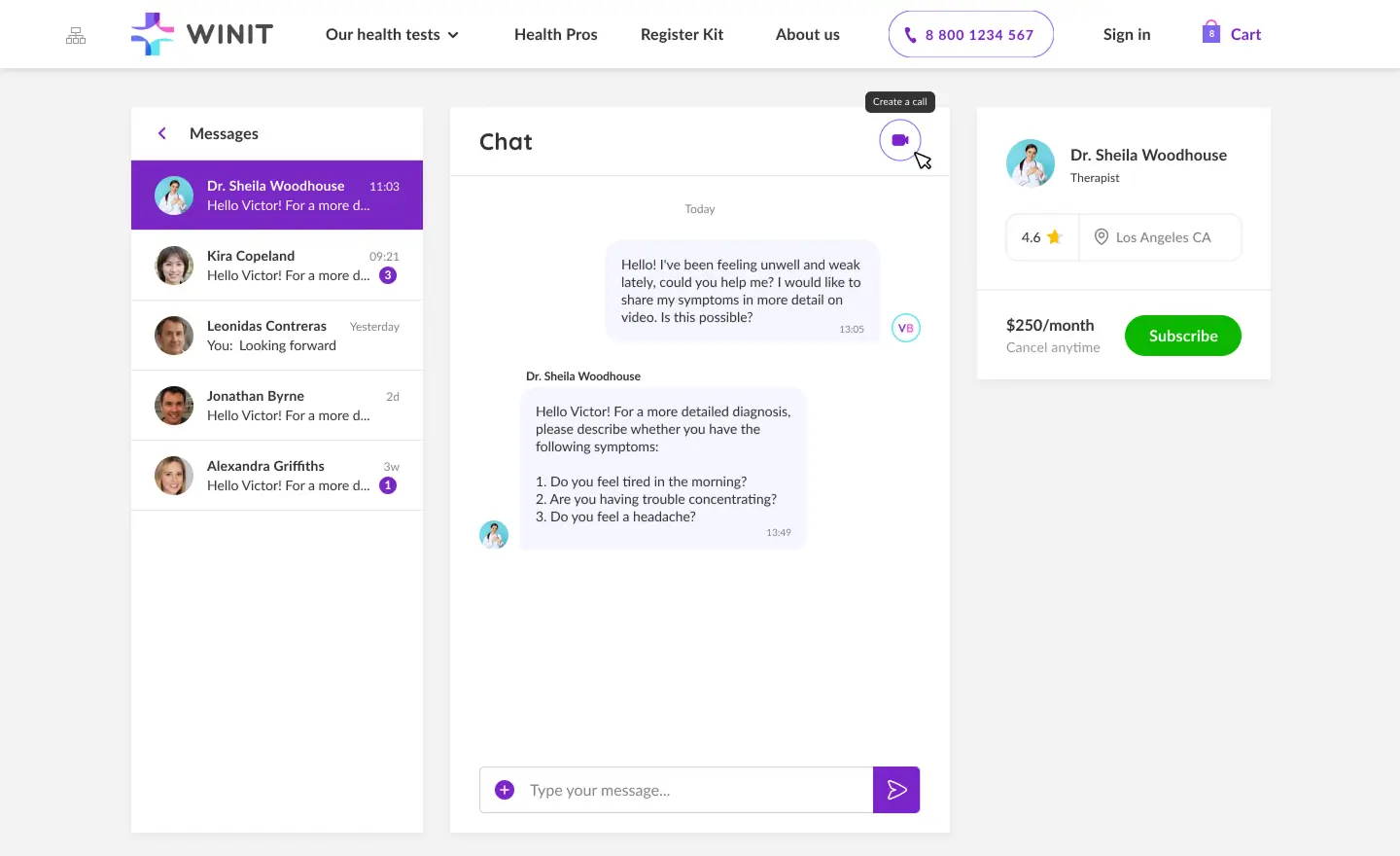
Chat
Chat directly with practitioners to discuss your symptoms, goals, and whether it’s the right fit.
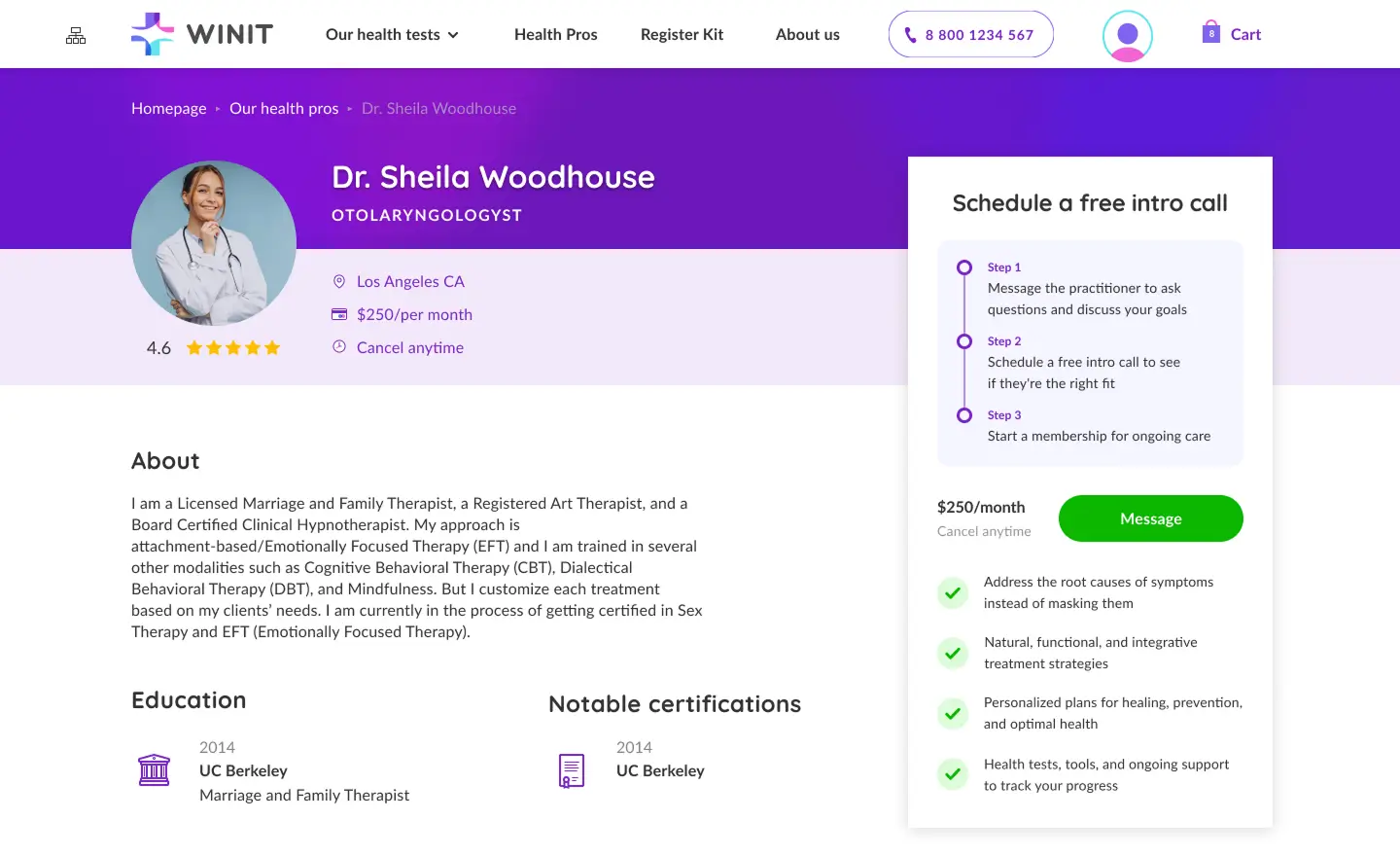
Book a Consultation
Book a consultation with your practitioner of choice and start uncovering the root causes of your symptoms.
Learn about Liver tumours
Liver tumours, a serious medical condition, can be either benign (noncancerous) or malignant (cancerous), affecting the liver's ability to function properly. The prevalence of liver tumors varies globally, often influenced by underlying conditions such as viral hepatitis and lifestyle factors. With liver cancer (hepatocellular carcinoma) being one of the leading causes of cancer deaths worldwide, understanding and exploring natural treatments alongside conventional methods is growing in importance for many seeking holistic health approaches.
Causes
The development of liver tumours can be linked to several factors. Chronic infection with hepatitis B and C viruses is among the top contributors. Other causes include excessive alcohol consumption, non-alcoholic fatty liver disease, prolonged exposure to aflatoxins (toxins produced by certain fungi found on agricultural crops), and conditions like hemochromatosis and Wilson’s disease which lead to excessive accumulation of minerals in the body.

Signs and symptoms
- Unexplained weight loss - Loss of appetite - Upper abdominal pain or swelling - General weakness and fatigue - Jaundice (yellowing of the skin and eyes) - White, chalky stools - Nausea and vomiting
Diagnosing Liver tumours
Diagnosis begins with medical history and physical examination, followed by more specific testing. Imaging tests such as ultrasounds, CT scans, and MRIs can help visualize the liver and any abnormalities. Blood tests, especially those measuring liver function and tumor markers like alpha-fetoprotein (AFP), play a crucial role. In some cases, a liver biopsy might be necessary to determine the nature of the tumor precisely.


Prevention and natural treatment
Preventative measures include vaccination against hepatitis B, reducing alcohol consumption, maintaining a healthy weight, and managing risk factors for liver disease. Functional medicine focuses on treating the root cause of diseases, and when it comes to liver tumours, this approach emphasizes detoxification, dietary changes, and supplementation. Natural treatments may involve consuming anti-cancer foods rich in antioxidants and inflammation-reducing substances (e.g., green tea, turmeric, and cruciferous vegetables). Milk thistle and dandelion root are known for their liver-supporting properties. Detoxification, through dietary modifications and the use of specific herbs, aims to reduce the liver’s toxin load, supporting its healing process. Additionally, practices like acupuncture, meditation, and yoga are integrated to manage symptoms, improve quality of life, and reduce stress, which is vital in cancer care. However, it’s crucial to underscore that while incorporating natural treatments can be beneficial, they should complement, not replace, conventional medical treatments such as surgery, chemotherapy, and radiotherapy, depending on the tumor's nature and stage. Always consult a healthcare professional before starting any new treatment regimen.


Browse popular locations
 Atlanta, GA
- Houston, TX
- Chicago, IL
- Los Angeles, CA
- Miami, FL
- Austin, TX
- Dallas, TX
- New York, NY
- Seattle, WA
- Charlotte, NC
- Denver, CO
- Maryland, NY




Connect with an expert for Liver tumours
Book consult