Transient ischaemic attack (TIA) treatment
Take control of your health—naturally.
Meet our practitioners who specialize in natural Transient ischaemic attack (TIA) treatment
Recommended health tests for Transient ischaemic attack (TIA)

At-Home Lab Test
Collect your sample and do your consultations at home, on you own time, and receive your secure result in just days on any device
At-Home Lab Test
Collect your sample and do your consultations at home, on you own time, and receive your secure result in just days on any device
At-Home Lab Test
Collect your sample and do your consultations at home, on you own time, and receive your secure result in just days on any device
At-Home Lab Test
Collect your sample and do your consultations at home, on you own time, and receive your secure result in just days on any device
How it works

Find a Practitioner
Browse practitioners and explore their specialties, experience, and approach.
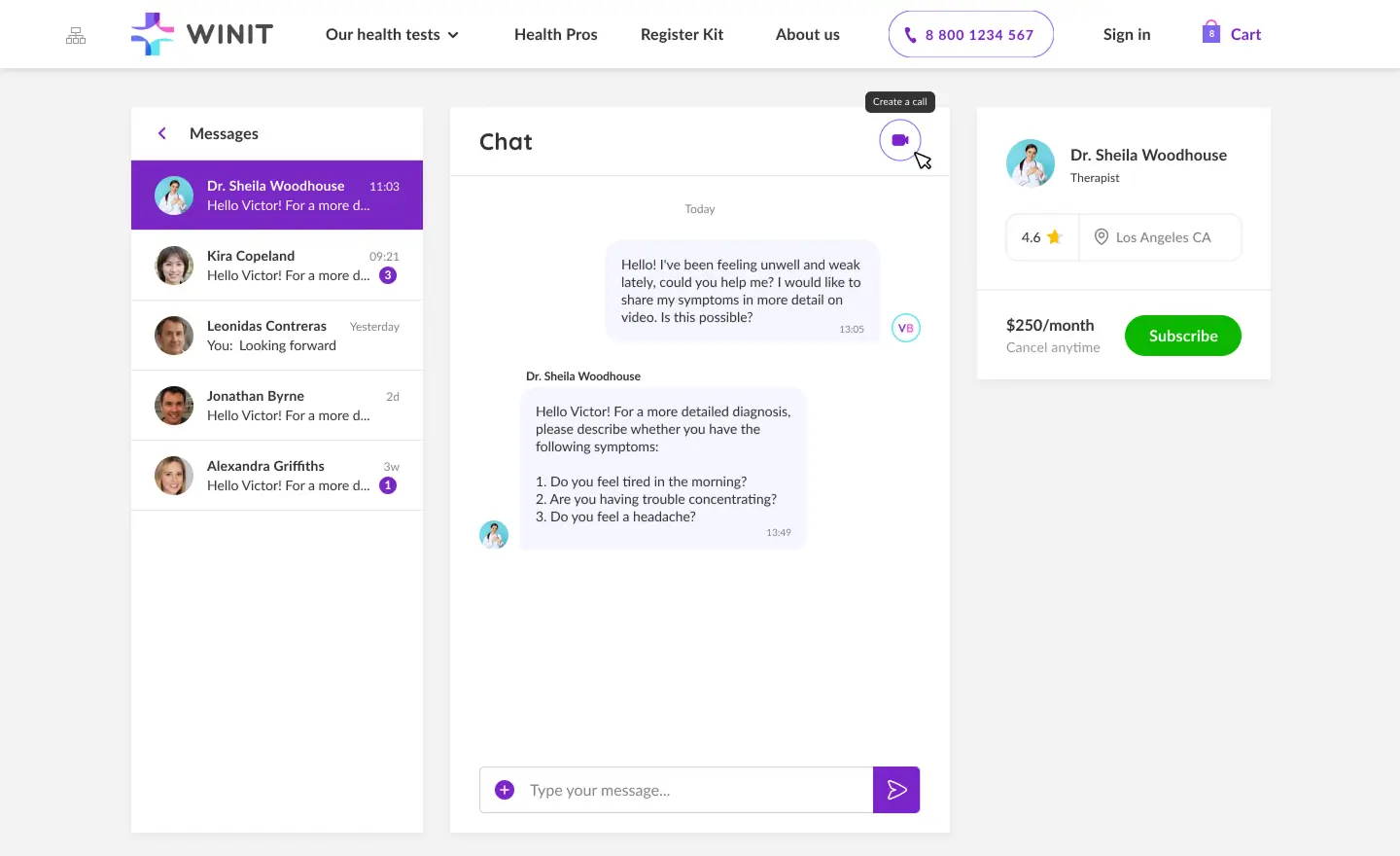
Chat
Chat directly with practitioners to discuss your symptoms, goals, and whether it’s the right fit.
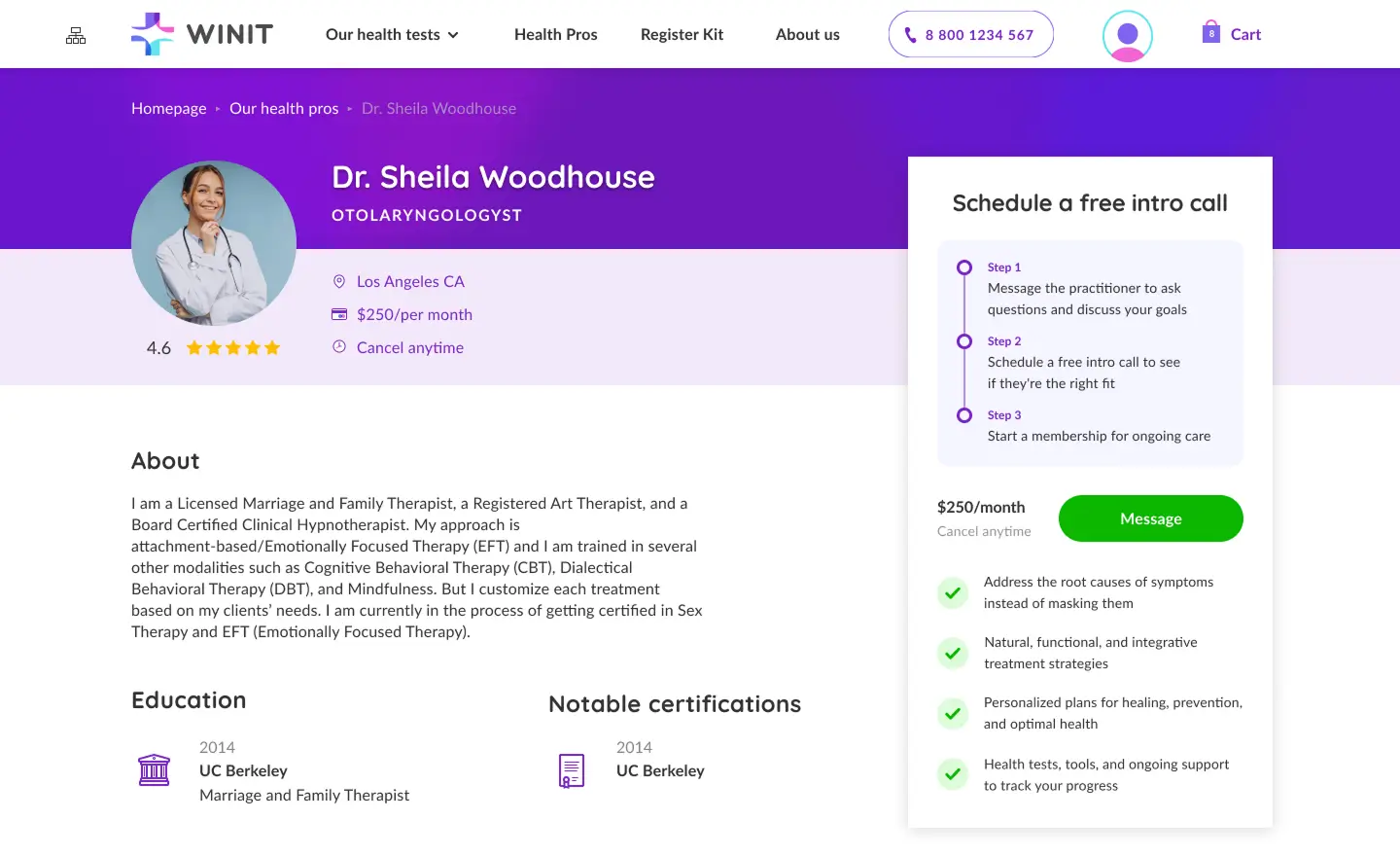
Book a Consultation
Book a consultation with your practitioner of choice and start uncovering the root causes of your symptoms.
Learn about Transient ischaemic attack (TIA)
Transient ischemic attack (TIA), commonly referred to as a “mini-stroke,” is a temporary period of symptoms similar to those of a stroke. TIA usually lasts only a few minutes and doesn't cause permanent damage. It's a critical warning sign of a possible future stroke, making understanding and management of this condition essential. Despite the temporary nature of its symptoms, TIA is a medical emergency. Globally, it's estimated that approximately 15 million people suffer a stroke each year, with TIAs acting as a precursor in a sizable fraction of these cases.
Causes
A TIA is typically caused by a decrease in blood flow to part of the brain, which may be due to a blood clot or narrowed blood vessels. Risk factors mirror those of strokes and include high blood pressure, high cholesterol, diabetes, smoking, and a family history of cardiovascular disease. Lifestyle factors also play a significant role, meaning that addressing these can significantly reduce the risk of TIA and subsequent stroke.

Signs and symptoms
- Sudden numbness or weakness in the face, arm, or leg, especially on one side of the body - Confusion or trouble speaking or understanding speech - Trouble seeing in one or both eyes - Difficulty walking, dizziness, loss of balance or coordination - Severe headache with no known cause
Diagnosing Transient ischaemic attack (TIA)
Diagnosing TIA involves a review of medical history, physical examination, and often, additional tests to assess the cardiovascular system and brain function. These tests might include blood tests, CT scans, MRI scans, and ECG (electrocardiogram) to check heart function. It’s important to diagnose and treat TIAs promptly to reduce the risk of a full-blown stroke.

Prevention and natural treatment
Preventing and treating a TIA focuses on addressing the root causes and making lifestyle adjustments. Functional medicine offers a comprehensive approach by identifying and tackling the underlying issues rather than merely suppressing symptoms. - Diet: Adopting a heart-healthy diet rich in fruits, vegetables, whole grains, and lean proteins can significantly lower blood pressure and cholesterol levels. - Exercise: Regular physical activity improves overall cardiovascular health and can prevent future TIAs. - Smoking cessation: Quitting smoking reduces the risk of TIA and stroke. - Managing chronic conditions: Effective control of diabetes, high blood pressure, and high cholesterol with both medications and natural supplements can decrease the risk. - Stress management: Techniques like meditation, yoga, and breathing exercises can lower blood pressure and reduce stress levels. Natural supplements like omega-3 fatty acids, magnesium, and coenzyme Q10 may also support cardiovascular health, but it's essential to consult with a healthcare provider to ensure they're appropriate for your situation. By understanding TIAs and adopting a functional medicine approach to prevention and treatment, individuals can significantly reduce their risk of stroke and improve their overall health. Making informed lifestyle changes and seeking timely medical intervention are crucial steps in safeguarding against the potentially devastating consequences of a stroke following a TIA.


Browse popular locations
 Atlanta, GA
- Houston, TX
- Chicago, IL
- Los Angeles, CA
- Miami, FL
- Austin, TX
- Dallas, TX
- New York, NY
- Seattle, WA
- Charlotte, NC
- Denver, CO
- Maryland, NY




Connect with an expert for Transient ischaemic attack (TIA)
Book consult