Parsonage-Turner syndrome treatment
Take control of your health—naturally.
Meet our practitioners who specialize in natural Parsonage-Turner syndrome treatment
Recommended health tests for Parsonage-Turner syndrome

At-Home Lab Test
Collect your sample and do your consultations at home, on you own time, and receive your secure result in just days on any device
At-Home Lab Test
Collect your sample and do your consultations at home, on you own time, and receive your secure result in just days on any device
At-Home Lab Test
Collect your sample and do your consultations at home, on you own time, and receive your secure result in just days on any device
At-Home Lab Test
Collect your sample and do your consultations at home, on you own time, and receive your secure result in just days on any device
At-Home Lab Test
Collect your sample and do your consultations at home, on you own time, and receive your secure result in just days on any device
At-Home Lab Test
Collect your sample and do your consultations at home, on you own time, and receive your secure result in just days on any device
At-Home Lab Test
Collect your sample and do your consultations at home, on you own time, and receive your secure result in just days on any device
At-Home Lab Test
Collect your sample and do your consultations at home, on you own time, and receive your secure result in just days on any device
At-Home Lab Test
Collect your sample and do your consultations at home, on you own time, and receive your secure result in just days on any device
How it works

Find a Practitioner
Browse practitioners and explore their specialties, experience, and approach.
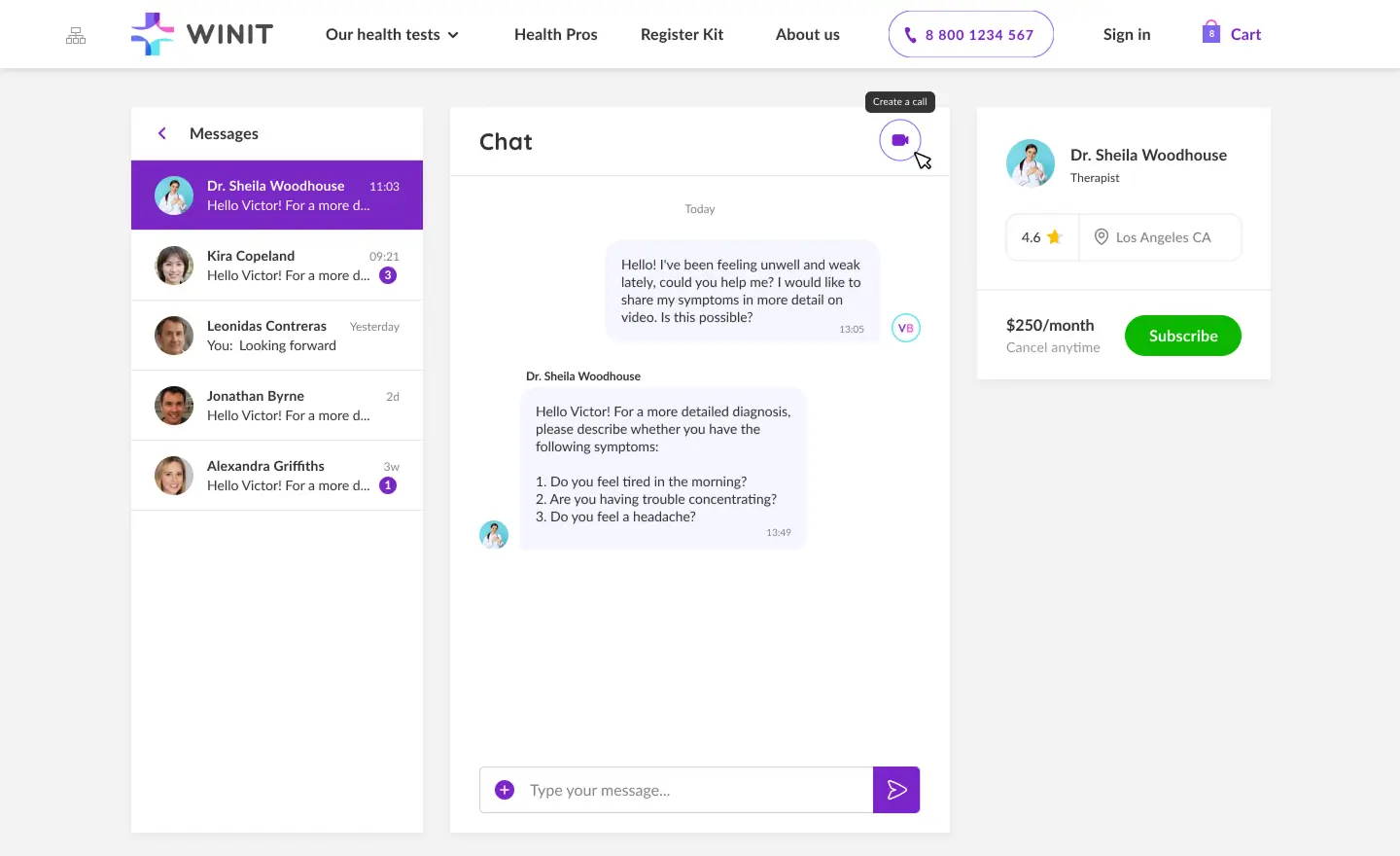
Chat
Chat directly with practitioners to discuss your symptoms, goals, and whether it’s the right fit.
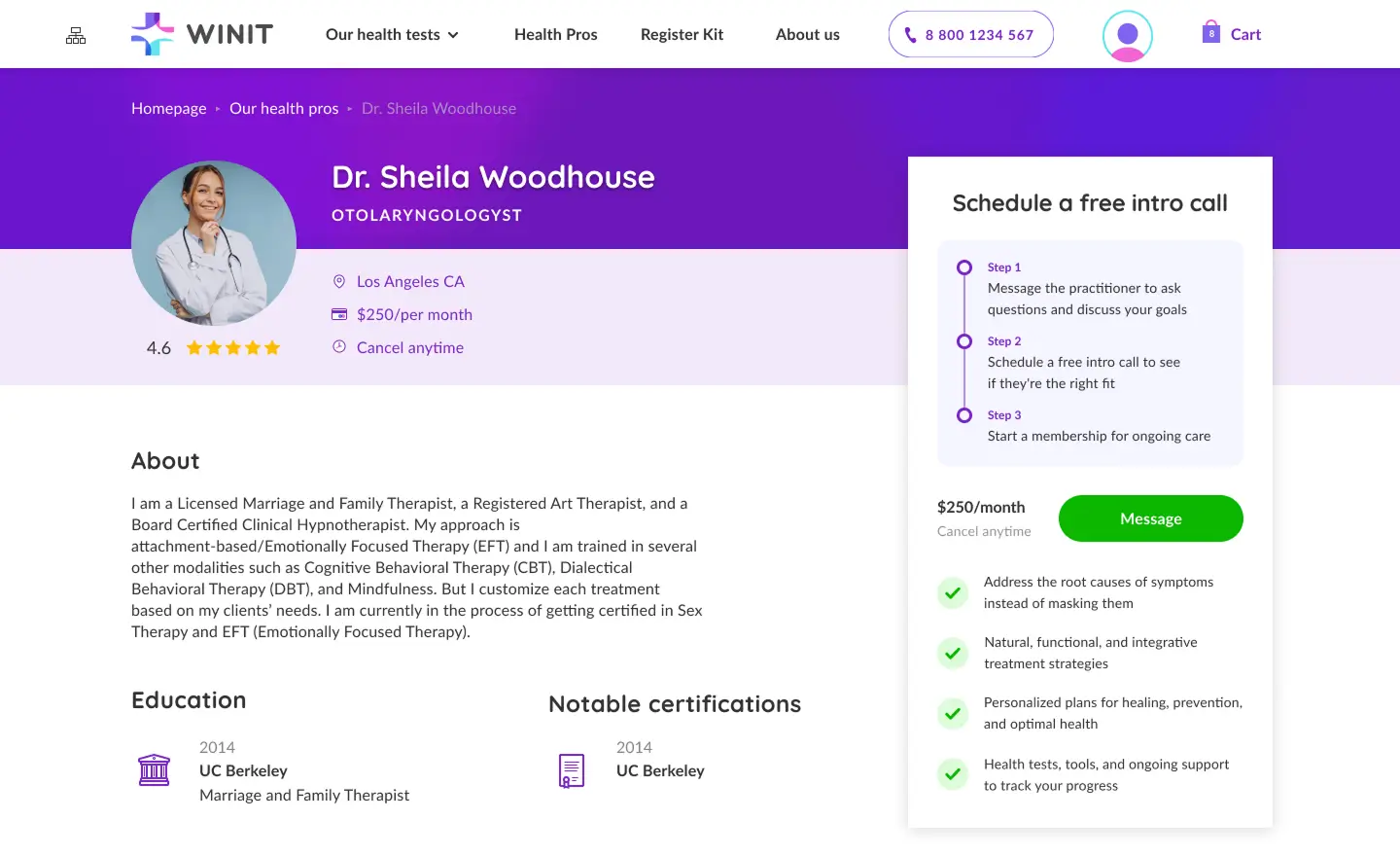
Book a Consultation
Book a consultation with your practitioner of choice and start uncovering the root causes of your symptoms.
Learn about Parsonage-Turner syndrome
Parsonage-Turner syndrome, also known as neuralgic amyotrophy, is a rare condition characterized by sudden, severe pain in the shoulder and arm. This pain, usually on one side of the body, is followed by significant weakness and sometimes paralysis. Understanding this condition is crucial because it affects the way individuals perform daily activities and significantly impacts the quality of life. The prevalence of Parsonage-Turner syndrome is not entirely clear, but it is estimated to affect about 1 to 3 people per 100,000 annually. This rarity often leads to misdiagnosis or delayed diagnosis, making awareness and education essential.
Causes
The exact cause of Parsonage-Turner syndrome is not fully understood, but it is believed to result from immune-mediated inflammation targeting the brachial plexus, a network of nerves that conduct signals from the spinal cord to the shoulder, arm, and hand. Several factors can trigger this immune response, including infections (viral or bacterial), surgical procedures, vaccines, and even extreme stress. Understanding these potential triggers is critical in preventing recurrence in individuals who have already experienced an episode of Parsonage-Turner syndrome.


Signs and symptoms
The signs and symptoms of Parsonage-Turner syndrome can vary but typically include: - Sudden, severe pain in the shoulder and upper arm, often described as sharp or throbbing - Weakness in the shoulder, arm, or hand muscles within days to weeks after pain onset - Partial or complete paralysis of the affected muscles - Muscular atrophy in severe or untreated cases - Sensory disturbances, such as tingling or numbness
Diagnosing Parsonage-Turner syndrome
Diagnosing Parsonage-Turner syndrome primarily involves clinical evaluation and a detailed patient history. Since the symptoms can mirror those of other conditions, it is crucial to differentiate it accurately. Electromyography (EMG) and Magnetic Resonance Imaging (MRI) are two critical diagnostic tools. EMG assesses the electrical activity of muscles, while MRI provides detailed images of the body's internal structures, helping to rule out other possible causes of symptoms.


Prevention and natural treatment
When it comes to preventing Parsonage-Turner syndrome, because the exact cause is not always clear, general wellness and immune system support may play a role in reducing the risk of an immune-mediated attack on the brachial plexus. This includes managing stress, ensuring adequate rest, and maintaining a balanced diet. Treatment for Parsonage-Turner syndrome primarily focuses on managing symptoms and supporting the body's natural healing process. Early stages of treatment often involve pain management, which may include natural anti-inflammatory supplements such as turmeric, omega-3 fatty acids, and ginger. Rest and immobilization of the affected limb can also help in the acute phase, followed by a gradual and guided physical therapy program to restore strength and function. Studies have shown that physical therapy is crucial in the recovery process, helping to improve mobility and prevent muscle atrophy. Additionally, acupuncture and massage therapy may provide relief and aid in the overall recovery by promoting circulation and relaxation of the affected muscles. Functional medicine approaches, emphasizing the body's healing capacity and focusing on the underlying causes of health issues, suggest a multifaceted approach to treatment. This might also include optimizing overall health through diet, addressing potential viral or bacterial infections that could trigger the condition, and managing stress levels, thus supporting the body's immune response and reducing inflammation naturally. Understanding Parsonage-Turner syndrome, from its causes to its natural treatments, is essential for those affected and healthcare professionals. By focusing on both symptom management and the body's innate healing processes, individuals can navigate their recovery journey with informed optimism.


Browse popular locations
 Atlanta, GA
- Houston, TX
- Chicago, IL
- Los Angeles, CA
- Miami, FL
- Austin, TX
- Dallas, TX
- New York, NY
- Seattle, WA
- Charlotte, NC
- Denver, CO
- Maryland, NY




Connect with an expert for Parsonage-Turner syndrome
Book consult