Pernicious anemia (PA) treatment
Take control of your health—naturally.
Meet our practitioners who specialize in natural Pernicious anemia (PA) treatment
Recommended health tests for Pernicious anemia (PA)

At-Home Lab Test
Collect your sample and do your consultations at home, on you own time, and receive your secure result in just days on any device
At-Home Lab Test
Collect your sample and do your consultations at home, on you own time, and receive your secure result in just days on any device
At-Home Lab Test
Collect your sample and do your consultations at home, on you own time, and receive your secure result in just days on any device
At-Home Lab Test
Collect your sample and do your consultations at home, on you own time, and receive your secure result in just days on any device
At-Home Lab Test
Collect your sample and do your consultations at home, on you own time, and receive your secure result in just days on any device
At-Home Lab Test
Collect your sample and do your consultations at home, on you own time, and receive your secure result in just days on any device
At-Home Lab Test
Collect your sample and do your consultations at home, on you own time, and receive your secure result in just days on any device
At-Home Lab Test
Collect your sample and do your consultations at home, on you own time, and receive your secure result in just days on any device
At-Home Lab Test
Collect your sample and do your consultations at home, on you own time, and receive your secure result in just days on any device
At-Home Lab Test
Collect your sample and do your consultations at home, on you own time, and receive your secure result in just days on any device
At-Home Lab Test
Collect your sample and do your consultations at home, on you own time, and receive your secure result in just days on any device
How it works

Find a Practitioner
Browse practitioners and explore their specialties, experience, and approach.
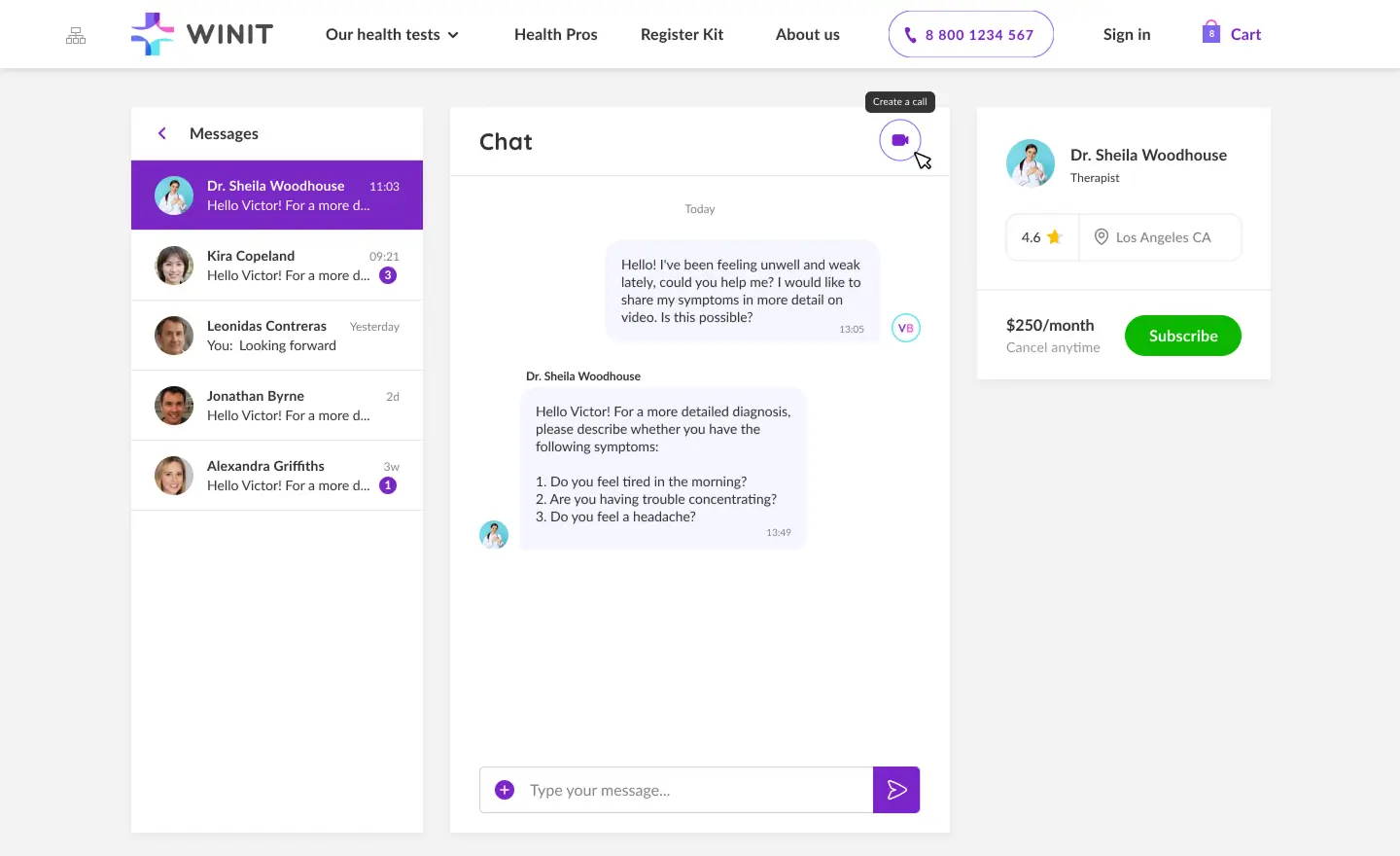
Chat
Chat directly with practitioners to discuss your symptoms, goals, and whether it’s the right fit.
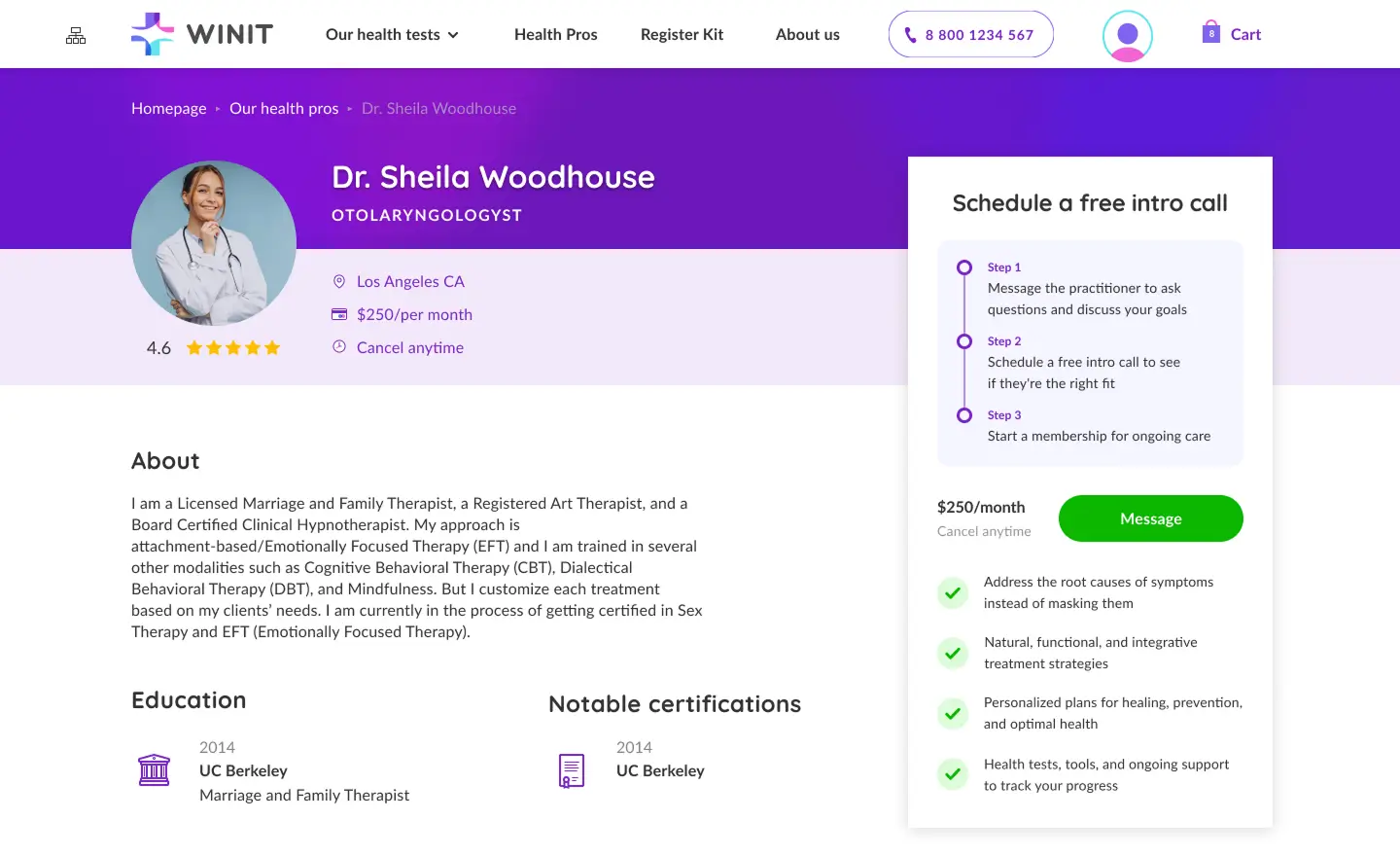
Book a Consultation
Book a consultation with your practitioner of choice and start uncovering the root causes of your symptoms.
Learn about Pernicious anemia (PA)
Pernicious anemia (PA) is a type of vitamin B12 deficiency that occurs when your body is unable to absorb this crucial nutrient efficiently from food. This condition is significant not only due to its impact on blood health but also because it plays a vital role in the functioning of the nervous system. Globally, it affects a considerable number of individuals, with a higher prevalence noticed in older adults, though it can occur at any age.
Causes
Pernicious anemia is primarily triggered by an autoimmune response that damages the stomach lining, thereby hindering the production of intrinsic factor—a protein essential for the absorption of vitamin B12. Other causes can include genetic factors, following a strict vegan diet without proper supplementation, certain medications that affect B12 absorption, and gastrointestinal surgeries that alter the digestive system.


Signs and symptoms
- Fatigue and weakness - Pale or jaundiced skin - A tingling sensation in hands and feet - Difficulty walking - Memory loss and confusion - A sore and red tongue (glossitis) - Heart palpitations and shortness of breath
Diagnosing Pernicious anemia (PA)
The diagnosis of Pernicious anemia involves a detailed medical history, a physical examination, and specific blood tests to measure levels of vitamin B12, folate, and intrinsic factor antibodies. Sometimes, a Schilling test can be ordered to evaluate B12 absorption. Advanced diagnostics may also include a complete blood count (CBC) to assess the size and shape of red blood cells, which tend to be larger in cases of vitamin B12 deficiency.


Prevention and natural treatment
Preventing Pernicious anemia revolves around early detection and management of risk factors, including monitoring vitamin B12 levels regularly, especially for individuals on vegan diets or those with conditions affecting the stomach. From a functional medicine perspective, the treatment of PA focuses not only on replenishing vitamin B12 through supplements or injections but also on identifying and addressing the underlying causes, such as improving gut health and modifying the diet to support better absorption of nutrients. Lifestyle modifications, nutritional supplements, probiotics, and herbs like ginger and peppermint can be supportive in enhancing digestive health, thus potentially aiding in the better absorption of B12 and other crucial nutrients. Collaboration with a healthcare professional skilled in functional medicine is essential for devising a personalized plan that considers the unique aspects of an individual's condition and lifestyle.


Browse popular locations
 Atlanta, GA
- Houston, TX
- Chicago, IL
- Los Angeles, CA
- Miami, FL
- Austin, TX
- Dallas, TX
- New York, NY
- Seattle, WA
- Charlotte, NC
- Denver, CO
- Maryland, NY




Connect with an expert for Pernicious anemia (PA)
Book consult