Gastroenterologists in Tampa
Take control of your health—naturally.





Meet with our Holistic Gastroenterologist doctors in Tampa, FL
Why choose our Holistic Gastroenterologist doctors
Gastroenterologists are specialized physicians who focus on the diagnosis and treatment of disorders affecting the gastrointestinal (GI) tract, which includes the esophagus, stomach, small intestine, colon, rectum, pancreas, gallbladder, bile ducts, and liver. They complete several years of additional training beyond medical school, including internal medicine residencies and gastroenterology fellowships. This extensive training equips them with the knowledge and skills necessary to manage complex digestive issues. In Tampa, gastroenterologists work in various healthcare settings, including hospitals, private practices, and specialized GI centers, offering advanced care to those dealing with GI diseases.
What Holistic Gastroenterologist doctors do in Tampa, FL
Gastroenterologists perform a wide range of procedures and tests to diagnose and treat disorders of the gastrointestinal system. They are skilled in endoscopic procedures, such as colonoscopy and upper gastrointestinal endoscopy, which allow them to visually inspect the interior lining of the GI tract and perform tissue biopsies or remove polyps. Besides diagnostic procedures, they provide medical treatments for conditions like acid reflux, peptic ulcers, gastrointestinal cancers, irritable bowel syndrome (IBS), inflammatory bowel disease (IBD), and celiac disease, among others. Moreover, they play a vital role in preventive care by conducting colorectal cancer screenings. Gastroenterologists in Tampa collaborate closely with dietitians, surgeons, and other specialists to offer comprehensive care.

Conditions treated by Holistic Gastroenterologist doctors in Tampa, FL
Conditions
 Acne
Acne 
- Allergies
- Anxiety
- Attention deficit hyperactivity disorder (ADHD)
- Chronic pain
- Depression
- Diabetes
- Insomnia
- Irritable bowel syndrome (IBS)
- Migraine
How they can help
Gastroenterologists in Tampa can significantly improve the quality of life for individuals suffering from GI disorders through accurate diagnosis and effective treatment plans. By conducting thorough evaluations that may include a combination of endoscopic procedures, imaging studies, and laboratory tests, they identify the underlying causes of digestive discomfort. Treatment plans are personalized, ranging from dietary recommendations and lifestyle changes to medications, and in some cases, advanced therapeutic procedures or surgeries. For chronic conditions, such as Crohn's disease or ulcerative colitis, they provide ongoing management and support. By focusing on prevention, they also guide patients in reducing their risk for gastrointestinal cancers and other serious conditions.


What to expect
When visiting a gastroenterologist in Tampa, the initial appointment typically involves a detailed medical history review and a physical examination. Patients should be prepared to discuss their symptoms, dietary habits, lifestyle factors, and any over-the-counter or prescription medications they are taking. Depending on the assessment, the gastroenterologist may recommend diagnostic tests, such as blood tests, stool studies, endoscopic procedures, or imaging studies, to accurately diagnose the condition. Following diagnosis, the specialist will discuss treatment options, addressing any questions or concerns. For procedures like colonoscopies or endoscopies, instructions will be provided on how to prepare, including dietary restrictions or pre-procedure medications. The overarching goal is to ensure patients receive tailored, effective care in a supportive and respectful environment.

How it works

Find a Practitioner
Browse practitioners and explore their specialties, experience, and approach.
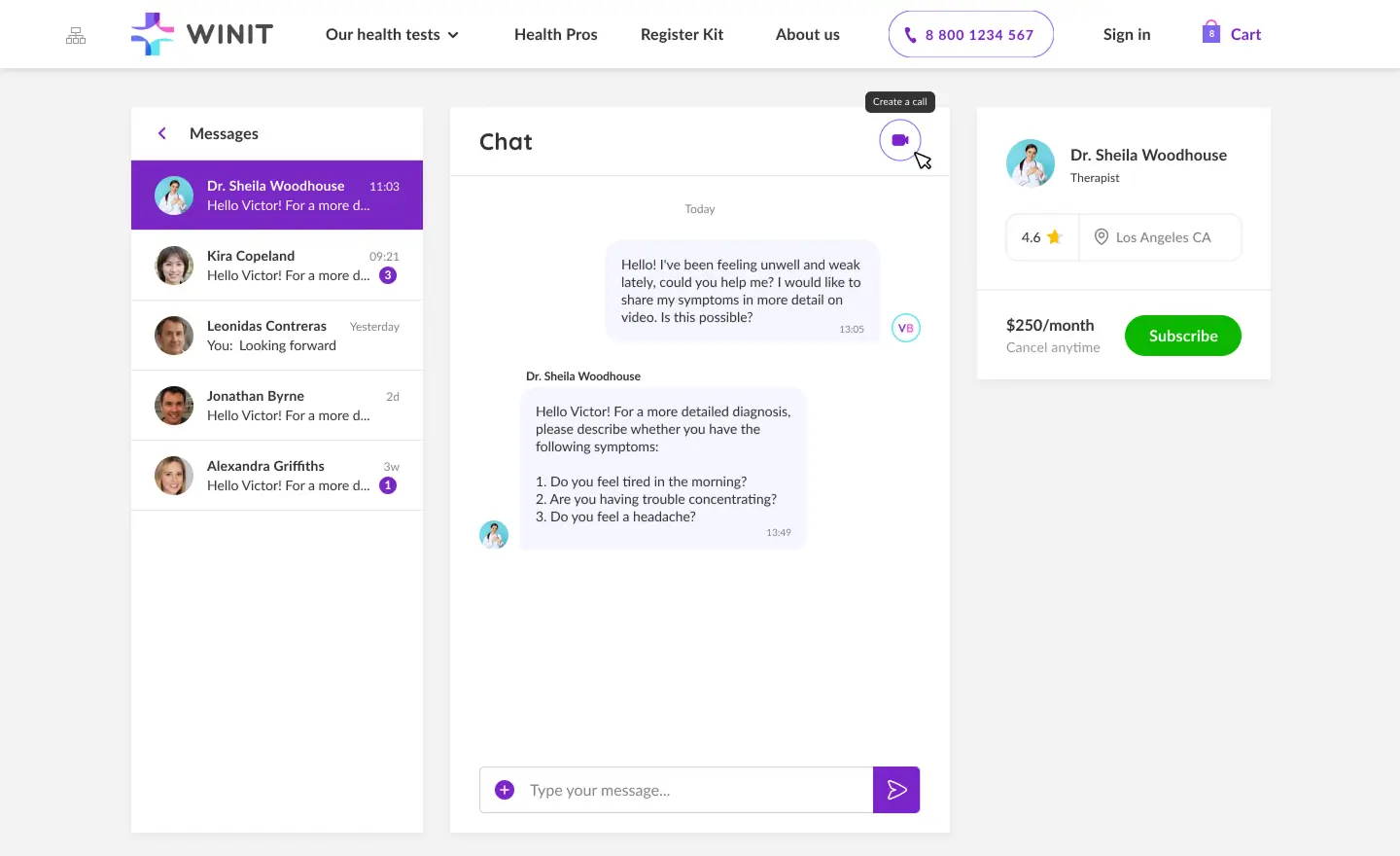
Chat
Chat directly with practitioners to discuss your symptoms, goals, and whether it’s the right fit.
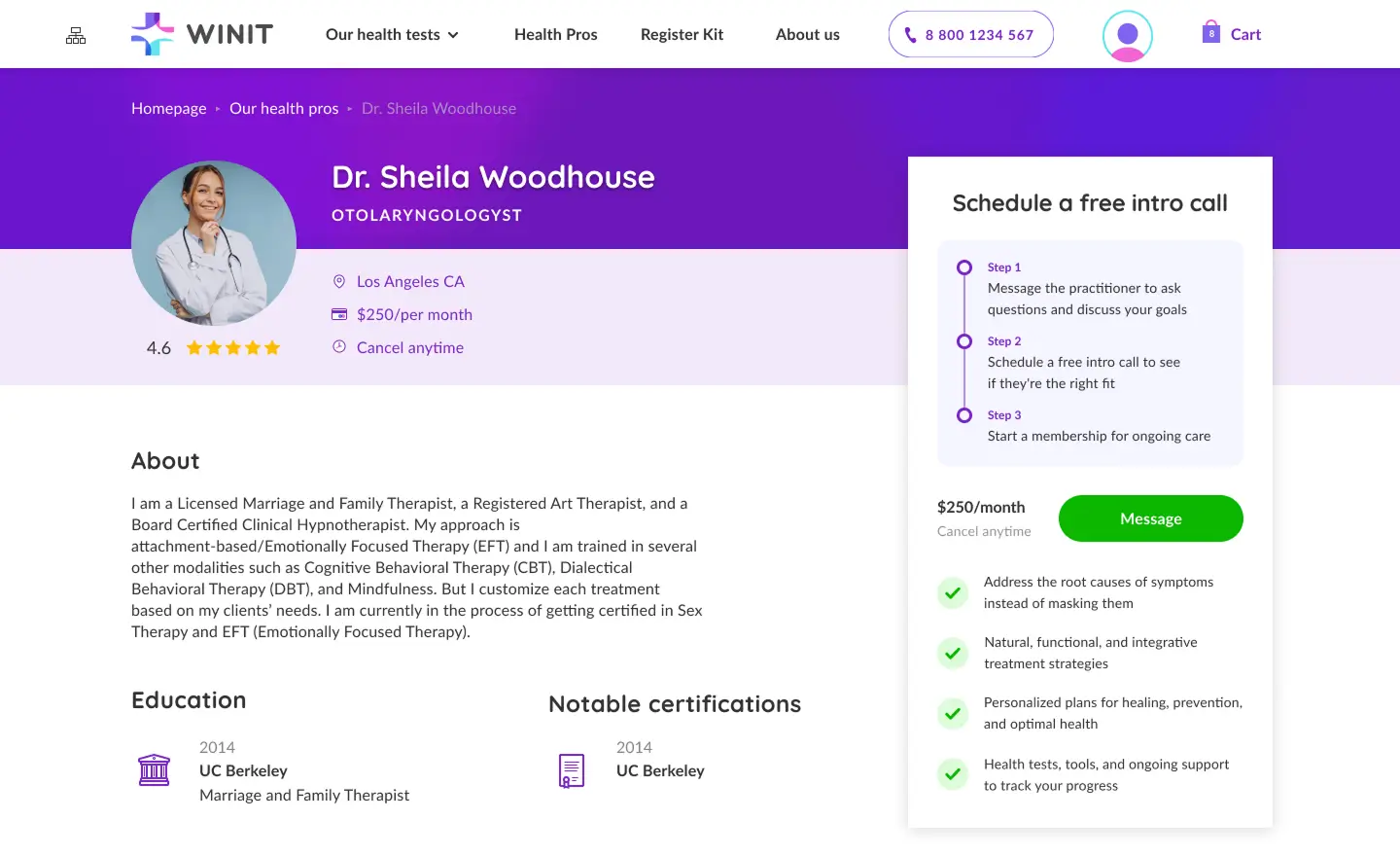
Book a Consultation
Book a consultation with your practitioner of choice and start uncovering the root causes of your symptoms.
Other popular practitioners
View all


Browse popular locations
 Los Angeles, CA
Chicago, IL
New York, NY
Miami, FL
Dallas, TX
Denver, CO
Las Vegas, NV
San Jose, CA
Boston, MA
Seattle, WA
Austin, TX
Atlanta, GA
Phoenix, AZ
Indianapolis, IN
San Diego, CA




Connect with a Gastroenterologists in Tampa
Book consult